
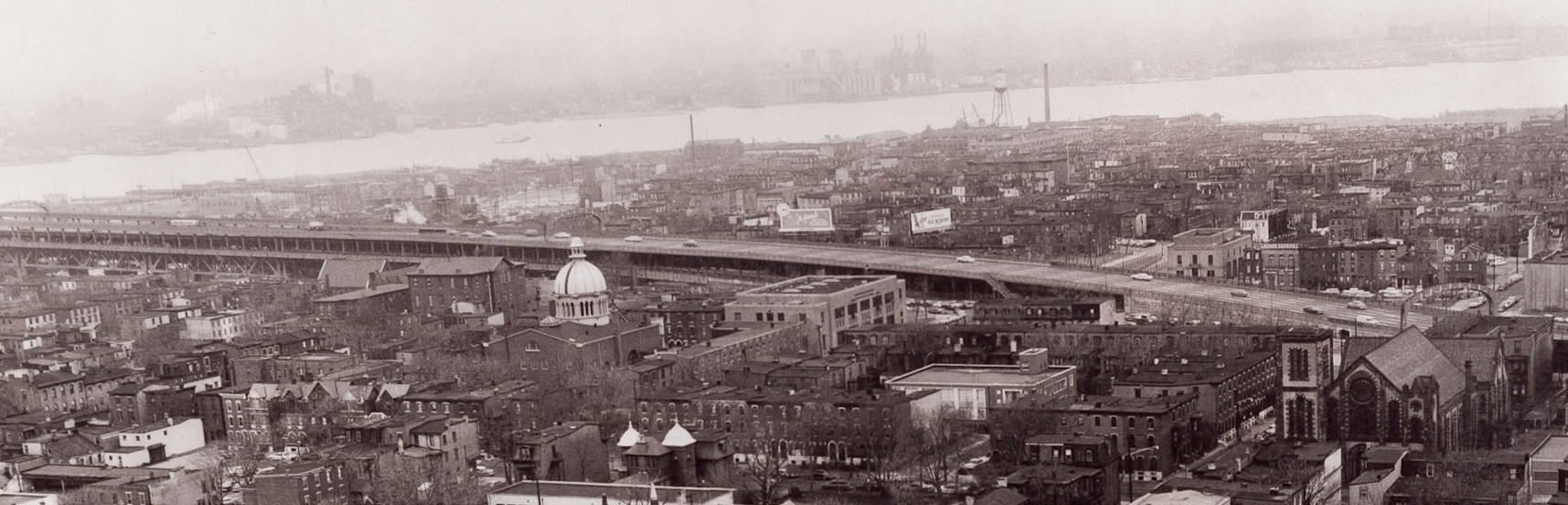
Third Wave and Present Day
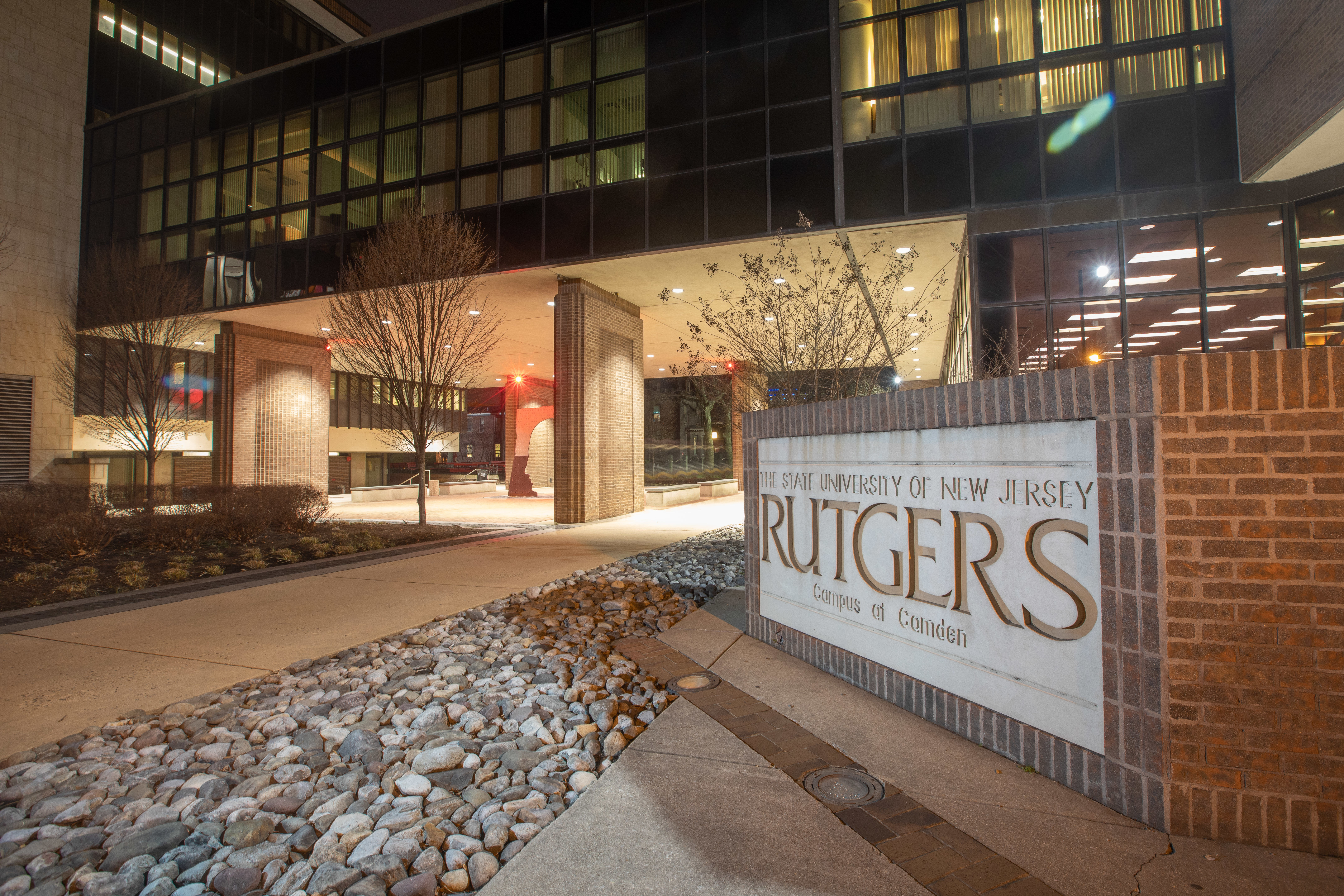
In the 21st century, Rutgers–Camden has continued to experience significant growth, development, and expansion, reflecting its commitment to serving an evolving student body and strengthening its role in the region.
Since the early 2000s, the university has undertaken numerous projects to support this progress, including the 2009 renovation of the Fitness and Athletics Center into a state-of-the-art sports facility. Housing capacity expanded with the completion of student apartments at 330 Cooper in 2012, which included dedicated living spaces for graduate and law students.
At the same time, Rutgers–Camden deepened its community impact and research initiatives, launching the Office of Civic Engagement in 2010 to strengthen partnerships across Camden and beyond. Academic growth also accelerated with the opening of the School of Nursing–Camden in 2011, broadening clinical and community health programs, followed by the debut of the Nursing and Science Building in 2017. Together, these developments highlight Rutgers–Camden’s ongoing trajectory of growth and its dedication to academic excellence, student support, and community engagement (Through the Decades | Rutgers University-Camden 2026).
Cooper Street Development
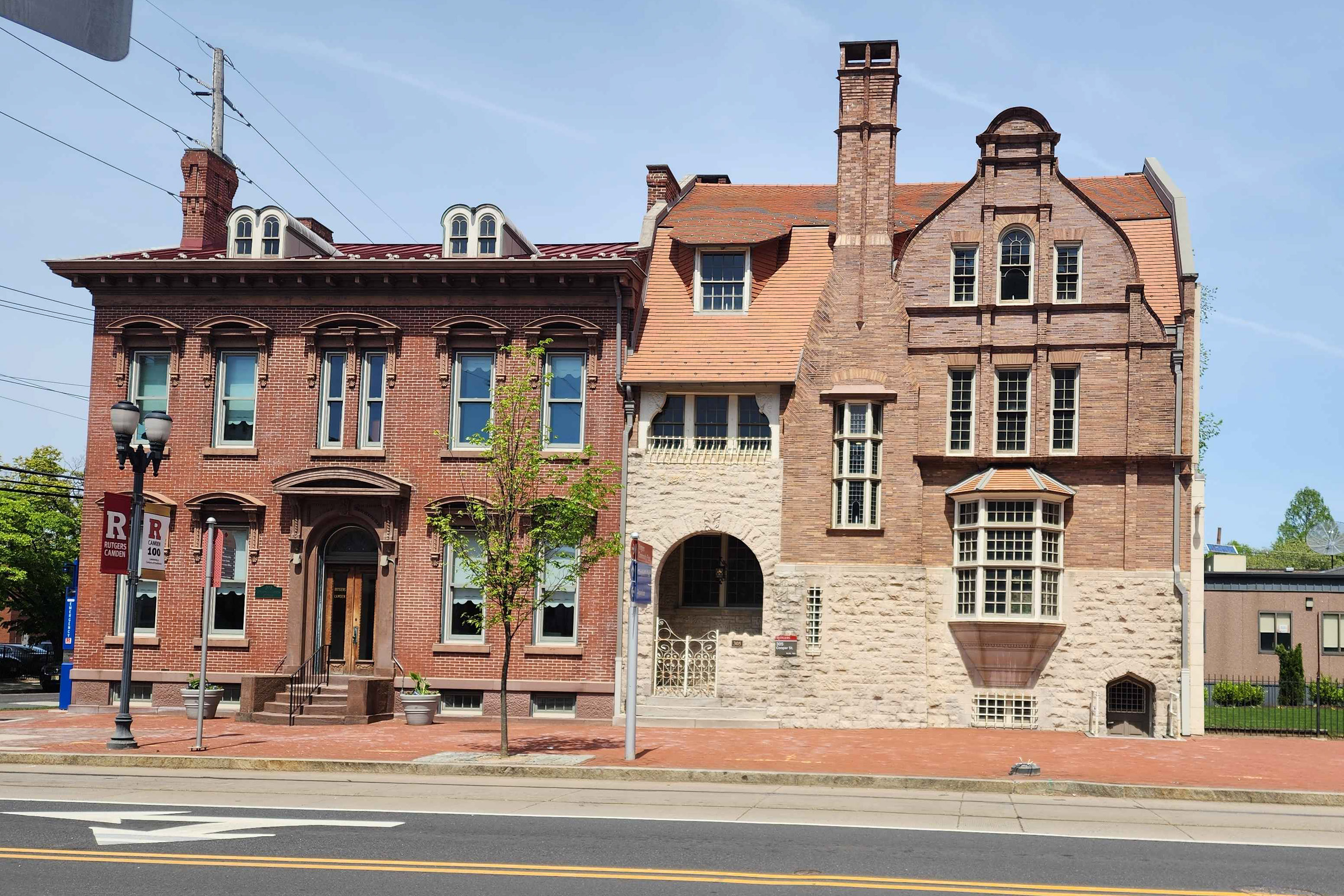
Cooper Street, between 2nd and 7th Street, has been on the Register of Historic Places since 1989, for its unique architecture that reflects the changes and growth of Camden through the years. In recent years, Rutgers University as expanded its acquisitions and holdings on Cooper Street substantially.
This includes several historic buildings, which have been preserved, renovated and repurposed for university use as offices and classrooms. In 2011, Rutgers—Camden completed renovations on the History and Philosophy building on 427-429 Cooper (Learning From Cooper Street).
In the early 2000's, Rutgers purchased the Dr. Henry Genet Taylor House and Office on 305 Cooper Street, an American Queen Anne Revival home built in 1885 for the Henry Genet Taylor, who helped found Camden's first hospital. In Fall of 2015, Rutgers—Camden completed renovations on the home and opened The Writer's House, the new home of Rutgers—Camden's MFA writing program (Our Writers House: An American Queen Anne Revival 2018).
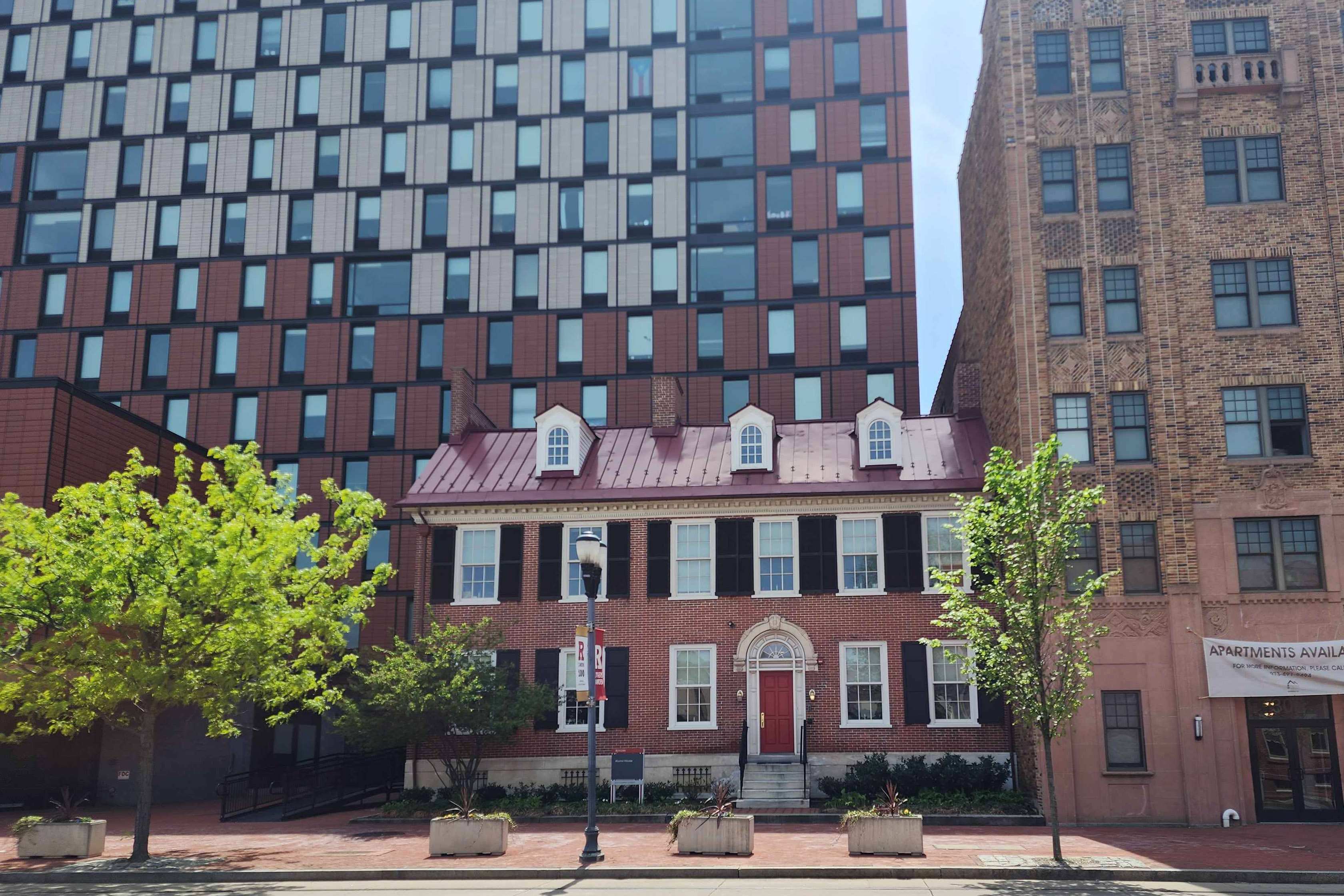
The following year, 2016, saw the completion of renovations on the Alumni House at 312 Cooper, a home which was initially built in 1809 for wealthy iron merchant Edward Smith. It is one of the oldest buildings on Cooper Street and has housed many different organizations in its 200+ years, including a branch of the Red Cross Organization from the 1950s until the 2000s. The renovations preserved many of the historic features of the home, including the original fireplaces, stairways, and trim work (Alumni Houses and Center 2026.)
Campus Today
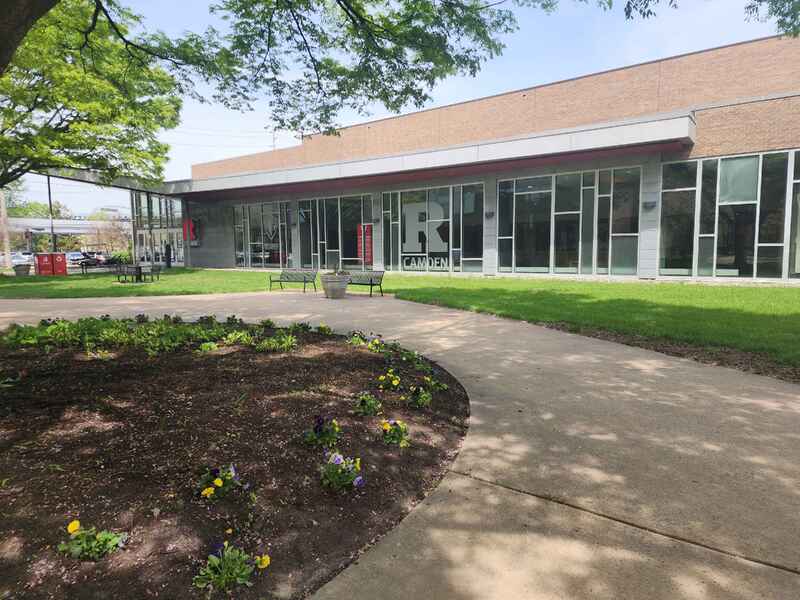
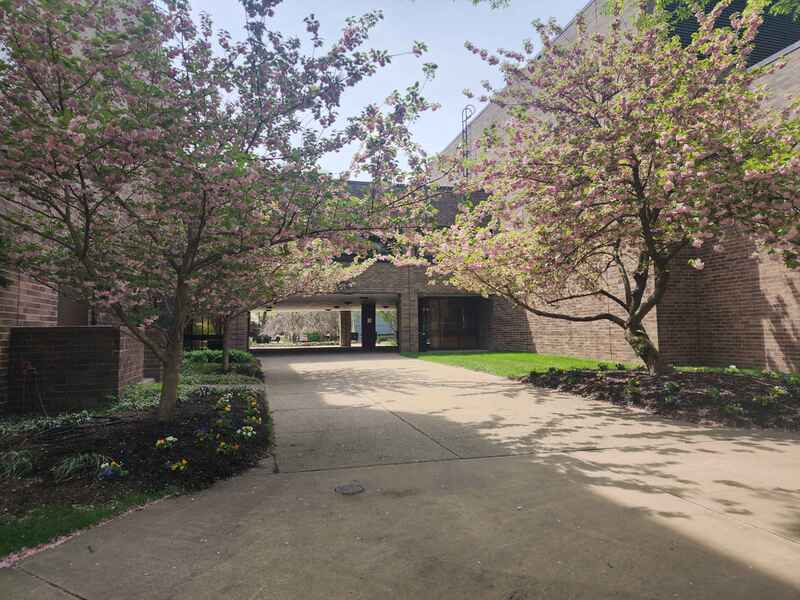
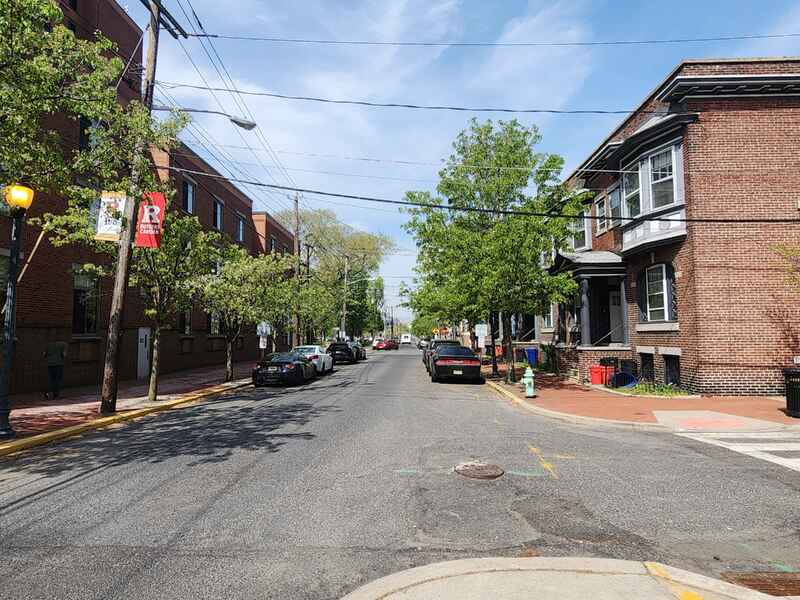
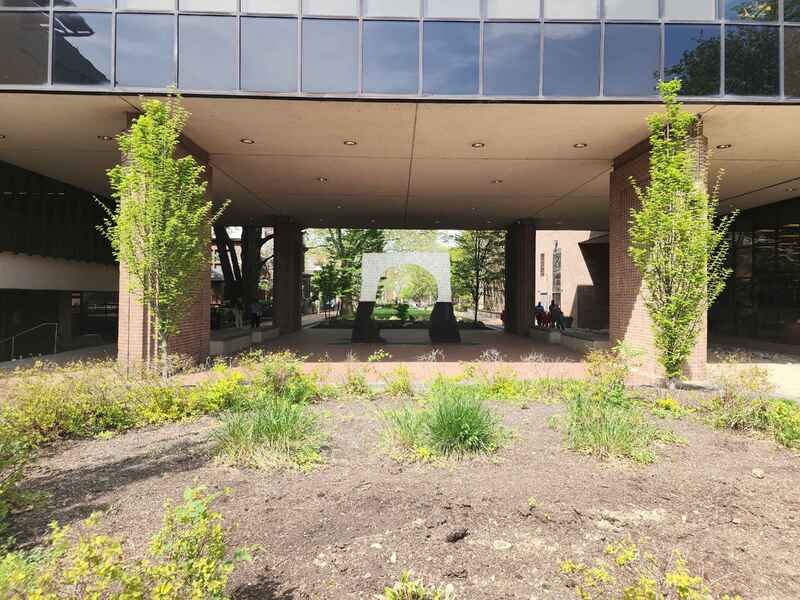
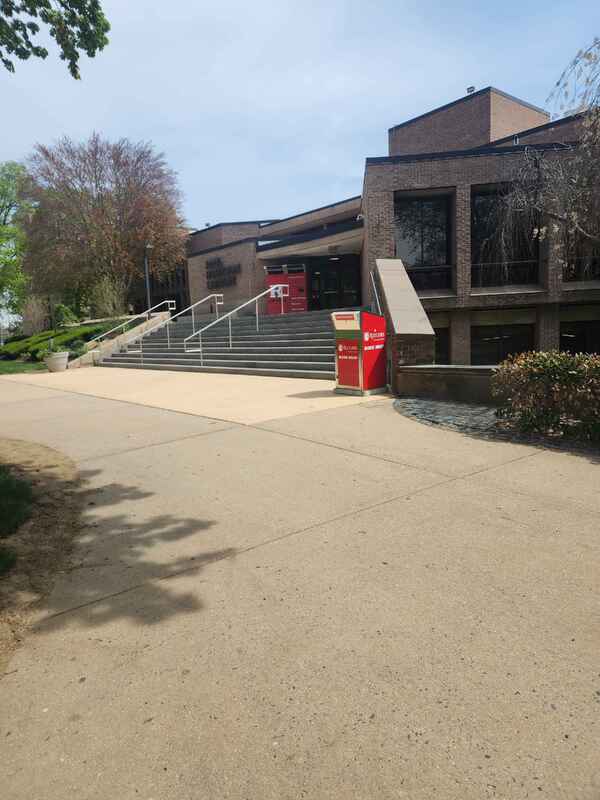
The images shown above capture the present-day campus as of April 2026, highlighting the modern spaces that define Rutgers–Camden today. In contrast, archival materials reveal what these same areas looked like before recent development, making the side-by-side comparison especially meaningful. Seeing current photographs alongside historical records serves as a clear reminder of how much the campus has grown, both in physical size and in the strength of its infrastructure.
To compare construction to present day, visit the Campus Map page, click on a point on the map, and view the item set to see the collection of photographs at that location.
Continued Expansion — The Cooper Street Gateway in 2026
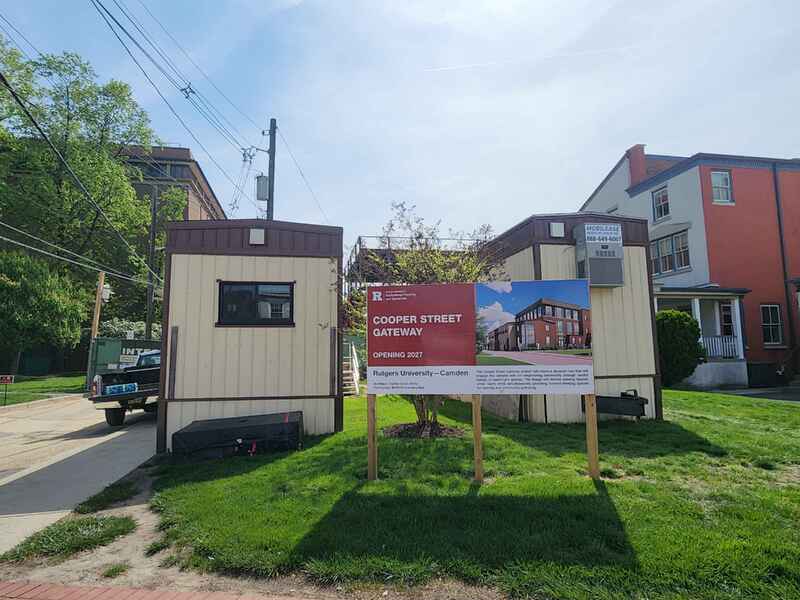
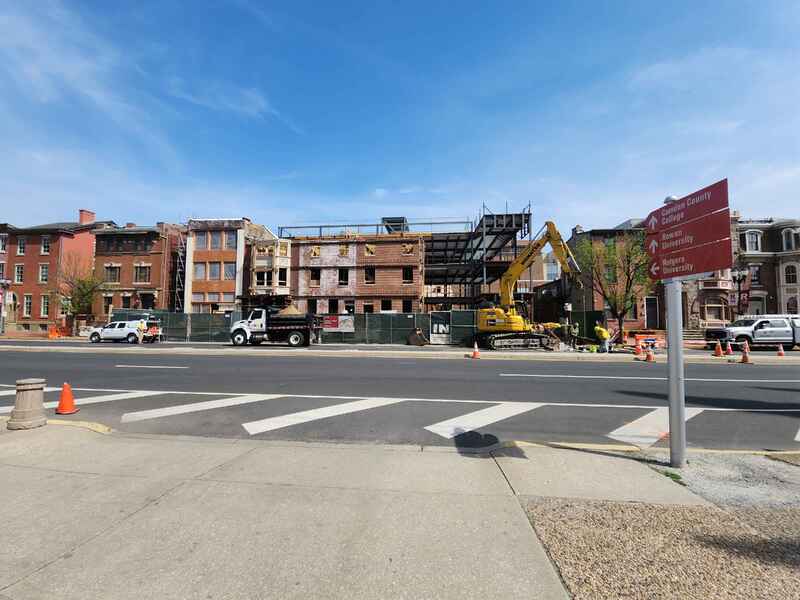
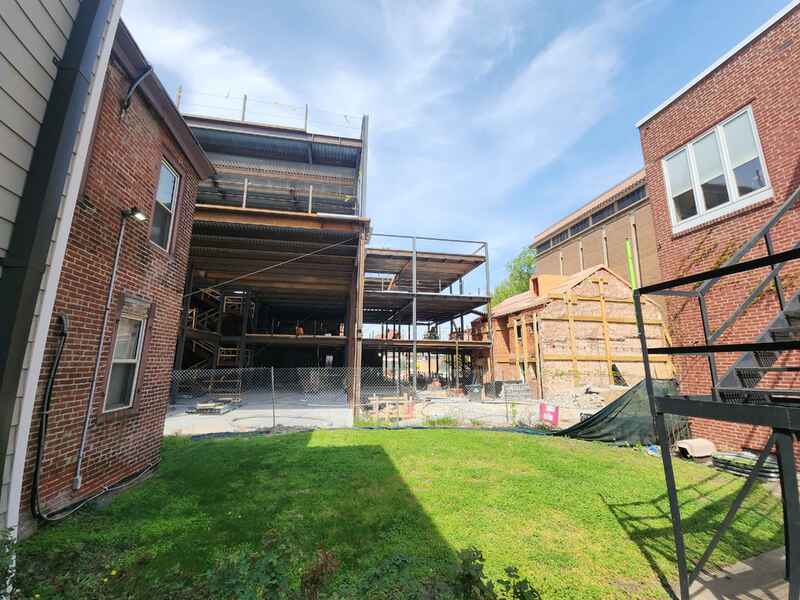
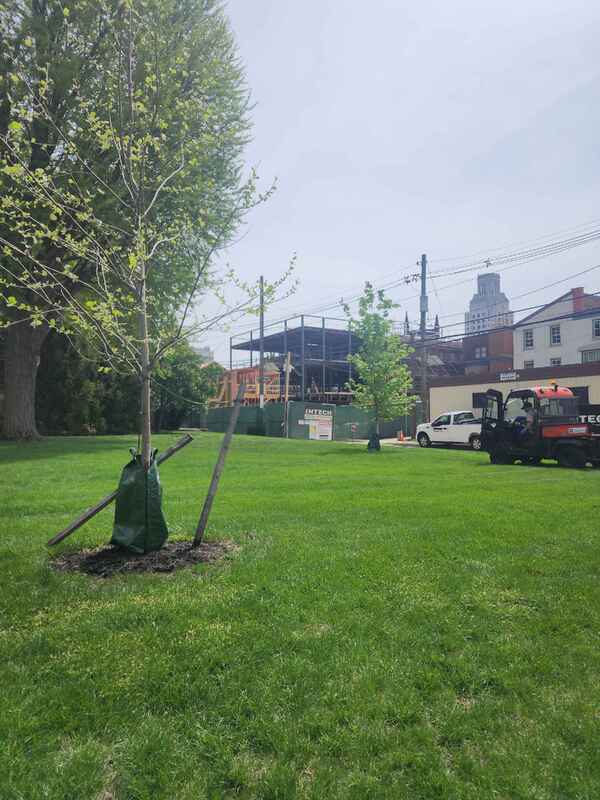
The campus continues to expand to support the growth of students and faculty.
Currently under construction is the Cooper Street Gateway, which is projected to be complete and operational in 2027. The construction aims to preserve the historic fabric of Camden and support the community by building around and incorporating historic rowhomes and structures on Cooper and Lawrence streets into a new hub for campus activity (The Cooper Street Gateway Project 2026).