
Second Wave of Construction
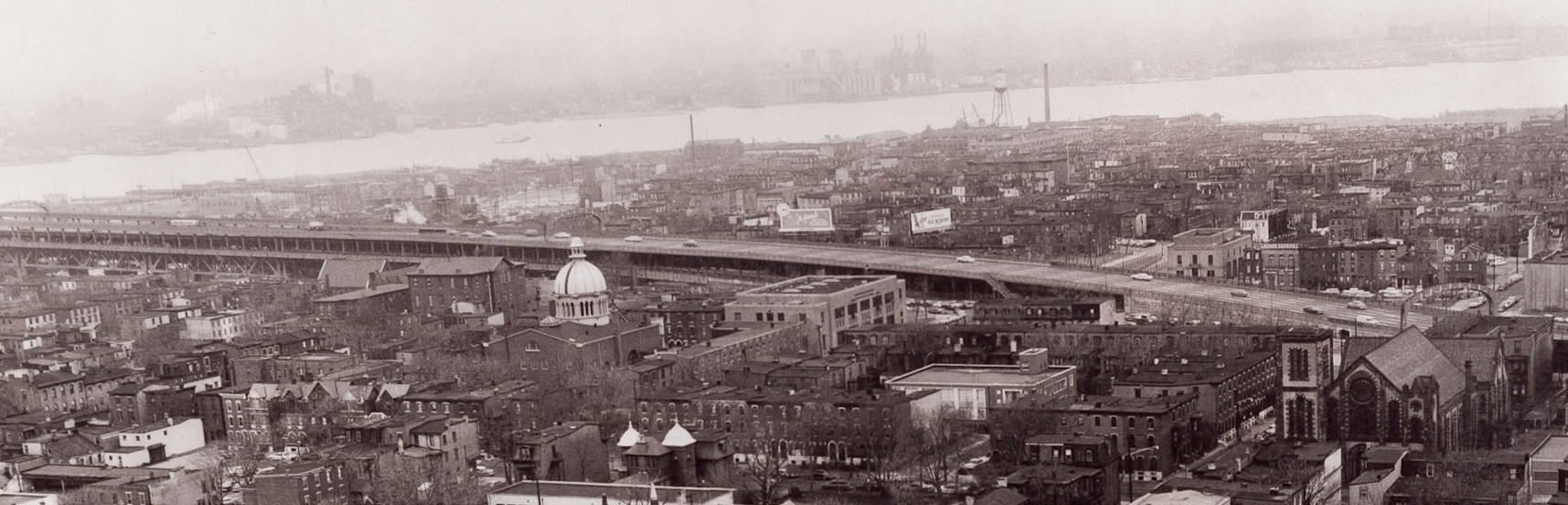
The second wave of Development is marked by expansion, due to Rutgers—Camden's Rapid growth in the 1980s and early 1990s.
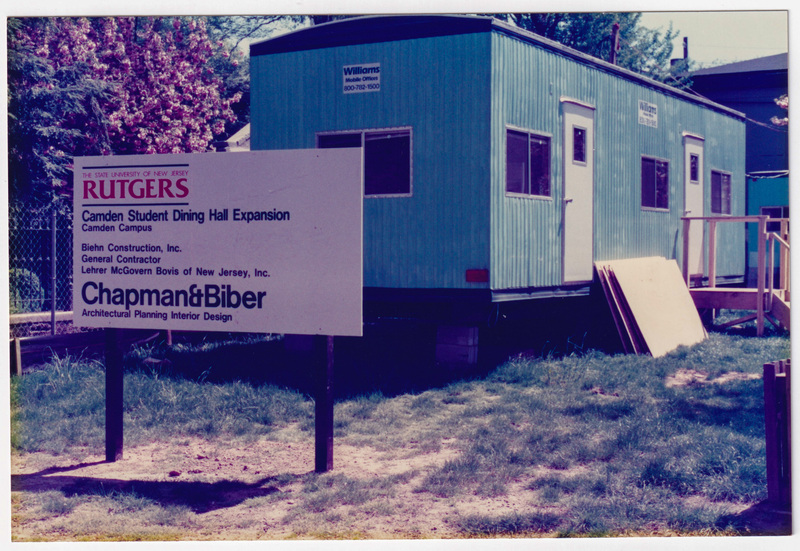
The 1980s represented a period of dynamic expansion and transformation for Rutgers University—Camden, as seen in the extensive construction and development captured in campus visuals from the decade. Physical growth was evident with major upgrades to student life facilities, including construction of an addition to the gymnasium, an expanded dining hall, and the first residence hall (1986), which introduced a vibrant residential community and reshaped the campus experience.
At the same time, academic offerings broadened significantly with the founding of the Graduate School—Camden in 1981, the launch of the School of Business—Camden in 1988, and the opening of the Business and Science Building in 1989. Together, these developments marked Rutgers—Camden’s evolution into a comprehensive institution, where expanded facilities and academic innovation worked hand in hand to support a growing and diverse student body (Through the Decades | Rutgers University-Camden 2026).
Campus Center Expansion
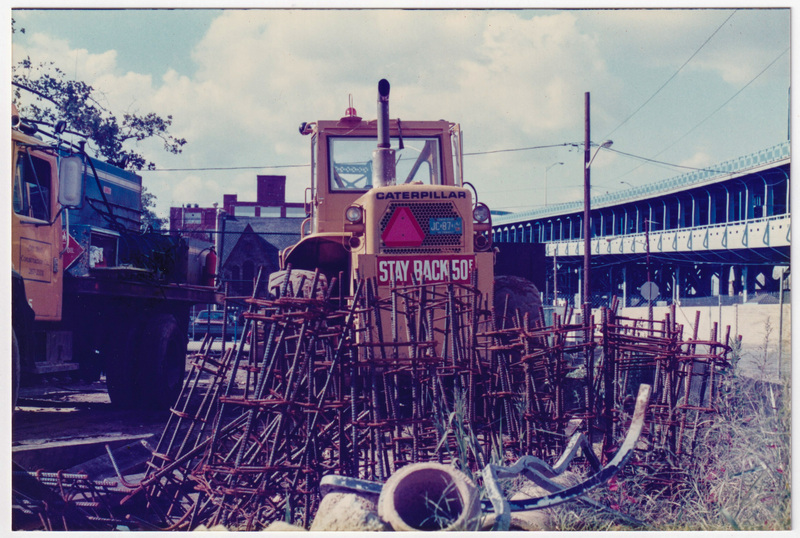
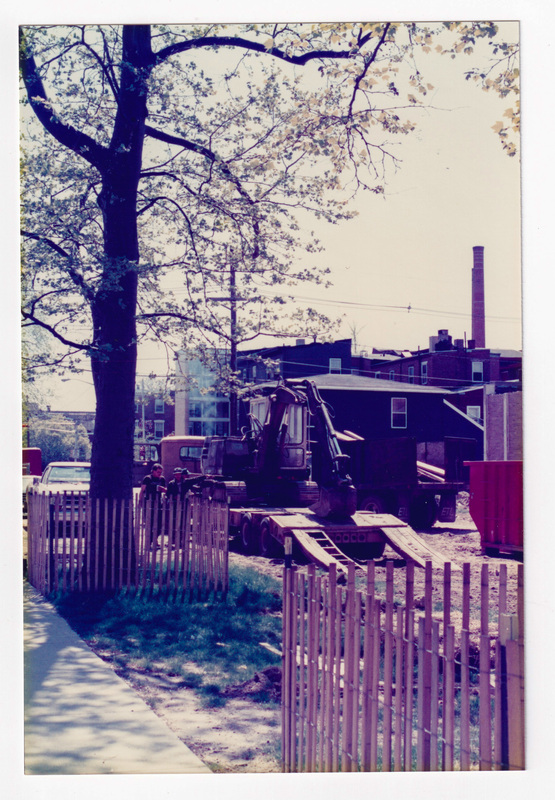
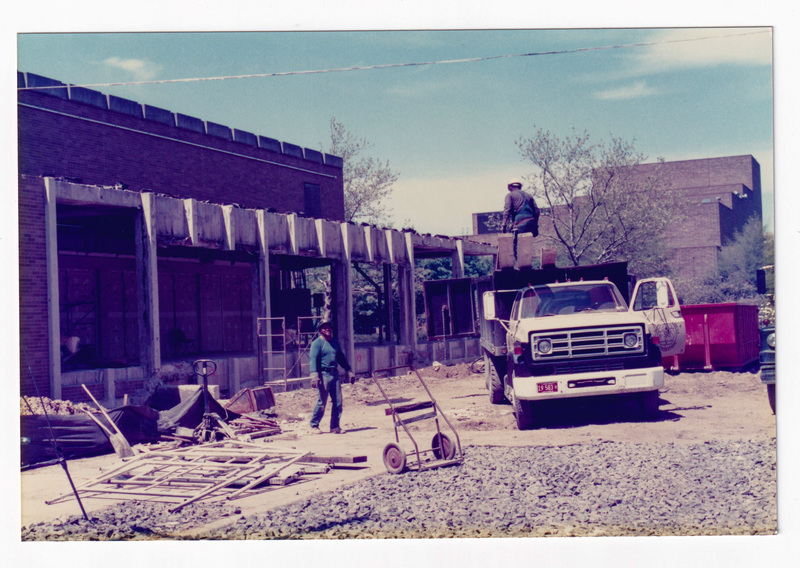
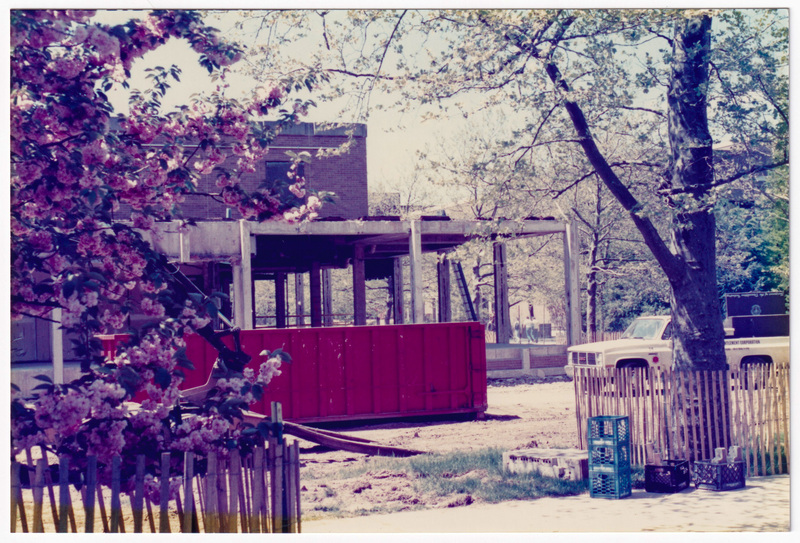
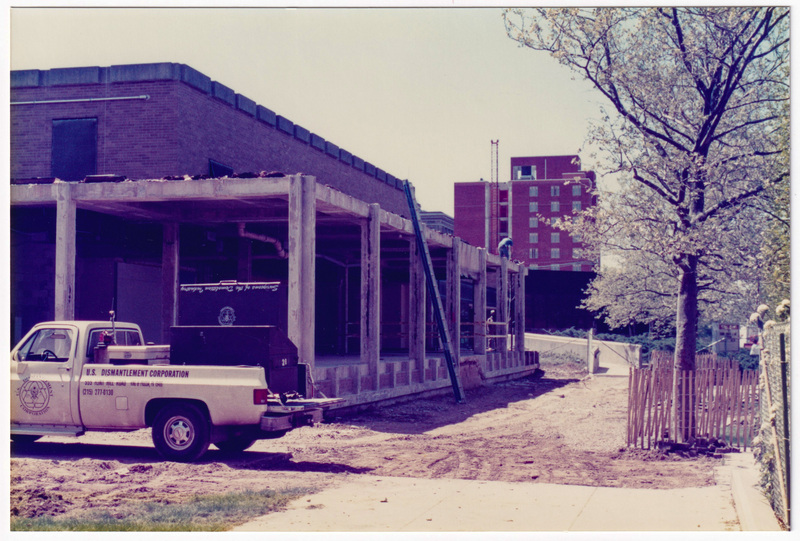
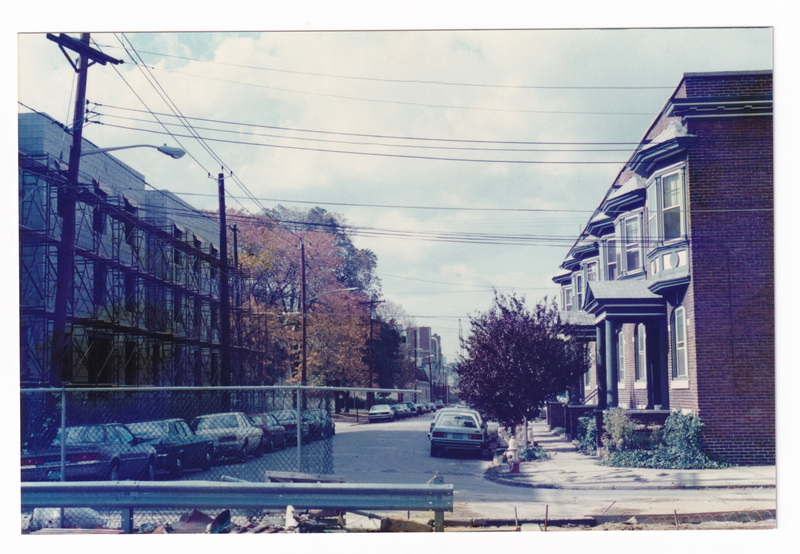
In the 1950s, the basement of the Presbyterian Church at Fifth and Penn Streets served as a makeshift Campus Center and snack bar. This temporary space was replaced in fall 1964 with the opening of a dedicated $1.1 million Campus Center. Over a decade later, in 1976 , the center expanded with a $1.7 million wing that added a Main Lounge, Multi-Purpose Room, and meeting spaces.
These photographs from the 1990s capture a key moment in the continued evolution of the Campus Center at Rutgers University–Camden. This expansion introduced a three-story wing with a modern bookstore, student health services, and dedicated spaces for student activities, reflecting the university’s growing emphasis on student life and support services. The Campus Center had developed into a central, fully realized hub of campus life by the 1990s (Historic Overview of Rutgers-Camden 2010).
Fitness and Athletics Center Expansion
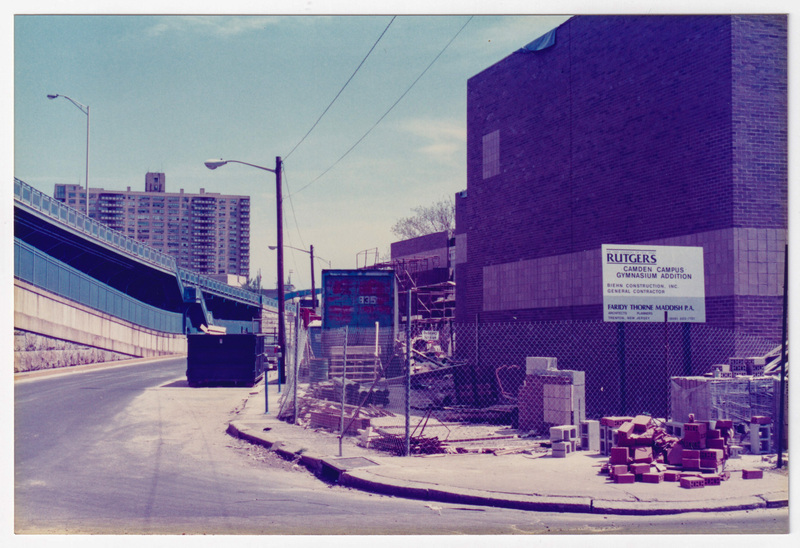
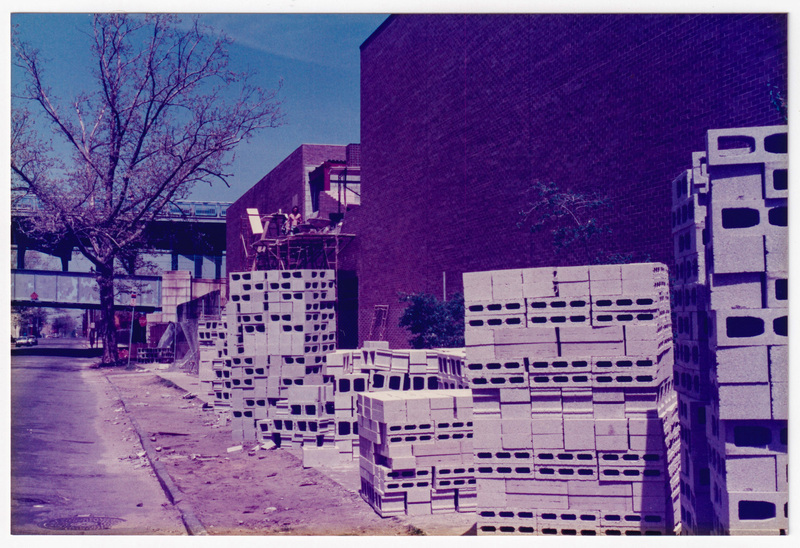
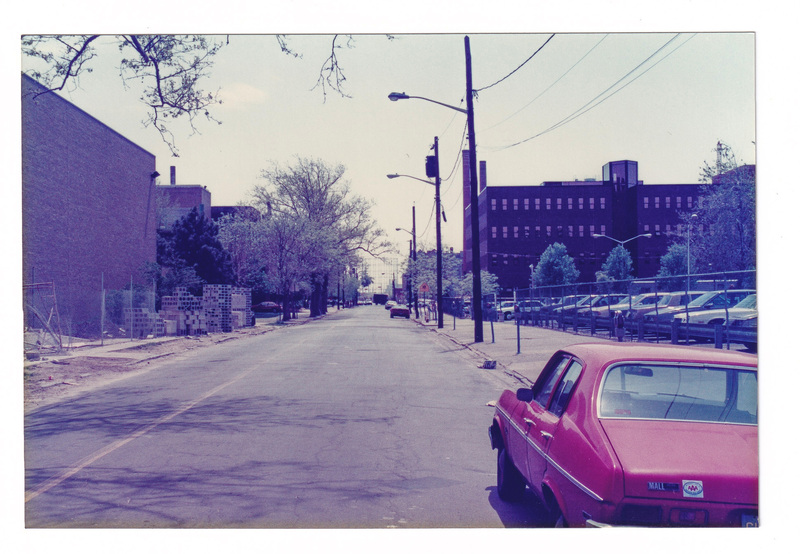
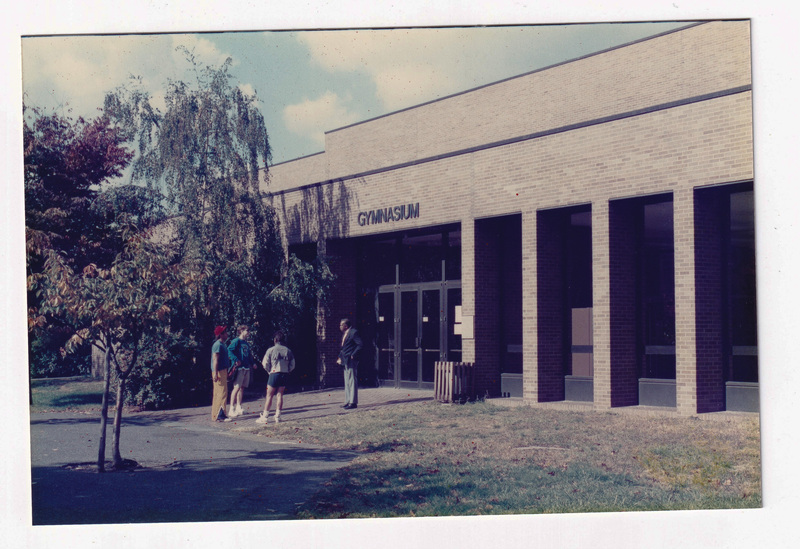
This collection of photographs documents the 1991 expansion of the gymnasium at Rutgers University–Camden. The original facility opened in fall 1973 as a $3.1 million complex featuring a pool, basketball court, locker rooms, and teaching spaces, quickly becoming a centerpiece of campus life. During the late 1970s, Rutgers–Camden athletics gained momentum, with milestones such as Ray Pace being selected in the 1977 NBA draft by the Boston Celtics and championship wins by the golf team in 1979 and 1980.
The images highlight the next phase of this growth: the January 1991 addition, which introduced handball and racquetball courts along with an auxiliary gym, expanding opportunities for recreation and intramural sports and reinforcing the gymnasium’s role as a vital hub for student engagement and athletic achievement (Historic Overview of Rutgers-Camden 2010).
Business and Science Building Construction
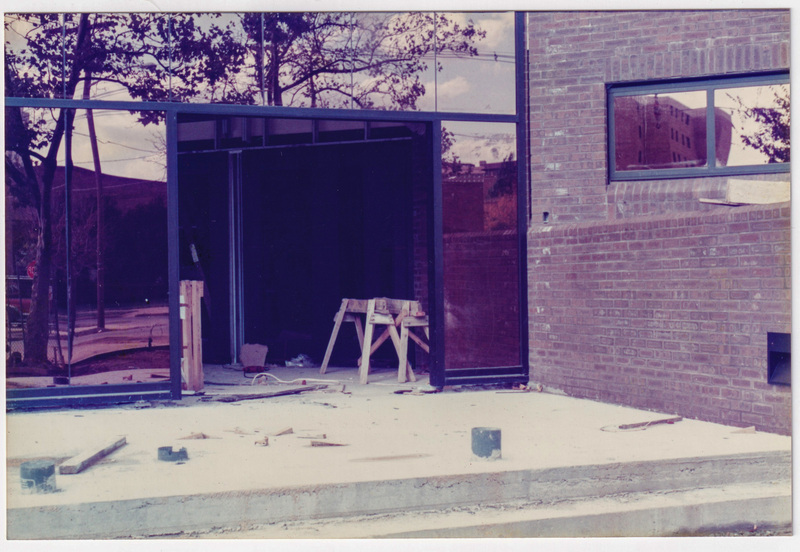
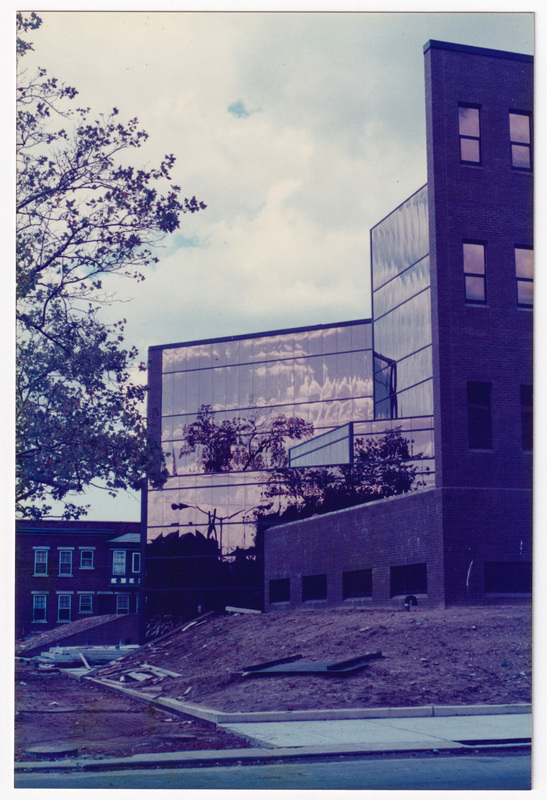
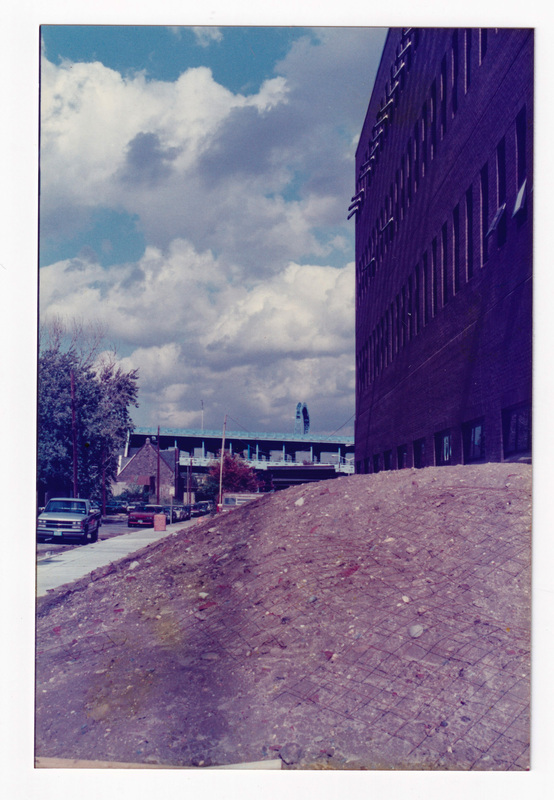
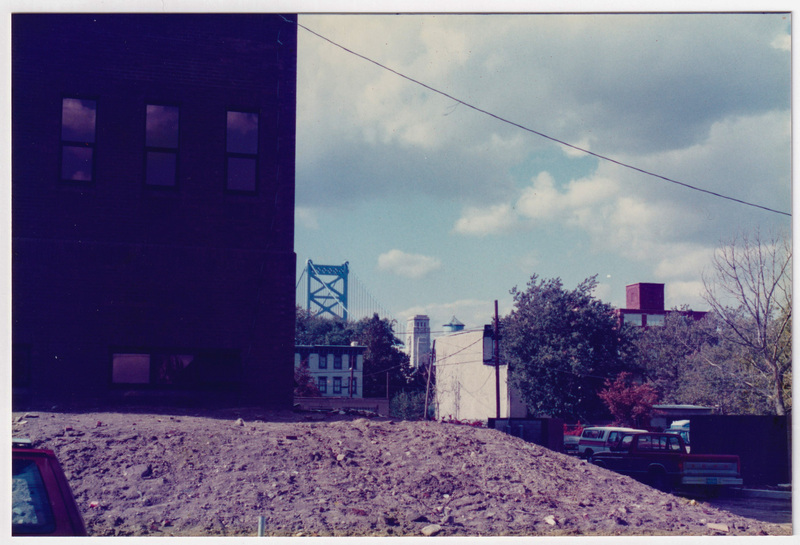
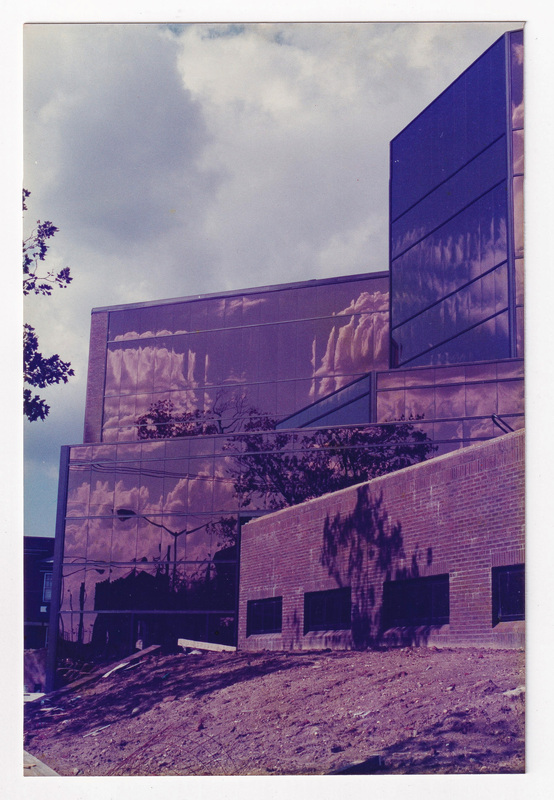
These photographs capture the construction of the Business and Science Building at Rutgers University–Camden, a project that reflected the campus’s expanding academic mission in the late 1980s. The building opened in September 1989 as a $9 million, four-story facility featuring classroom and office space, along with its distinctive chevron-shaped glass front. Its development closely followed the establishment of the Rutgers School of Business–Camden in 1988, created to meet growing demand for programs in accounting, management, and business administration (Rutgers-Camden in the 1980s 2010).
In the years that followed, the school’s continued growth, including its 1995 accreditation and expansion into new programs and initiatives, underscored the significance of this building as a foundation for innovation, professional education, and economic engagement in South Jersey (Historic Overview of Rutgers-Camden 2010).
Around Campus, 1990s
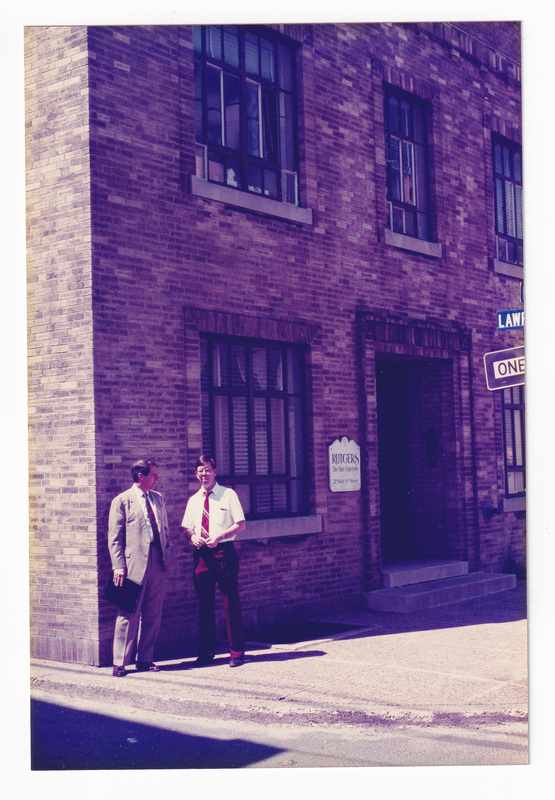
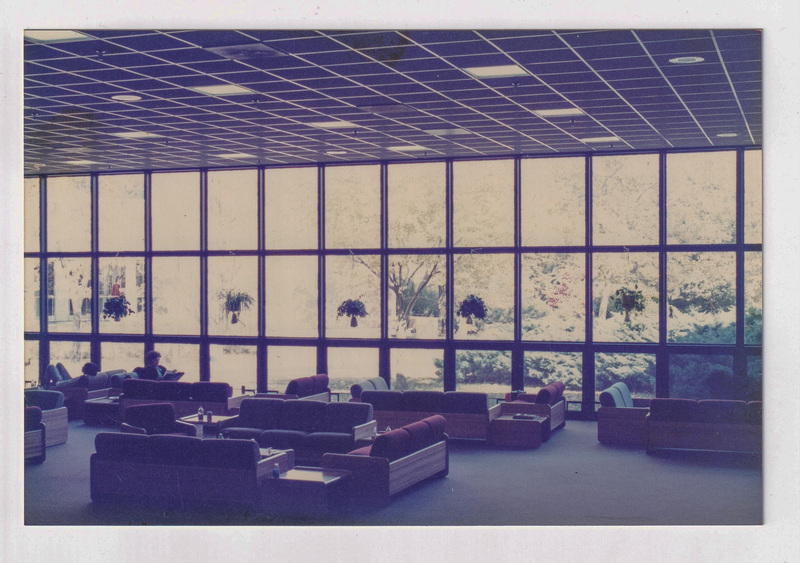
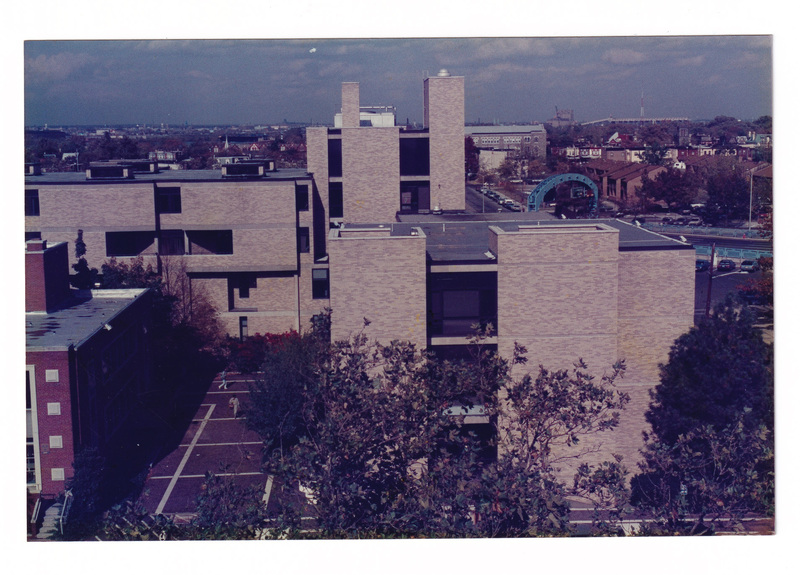
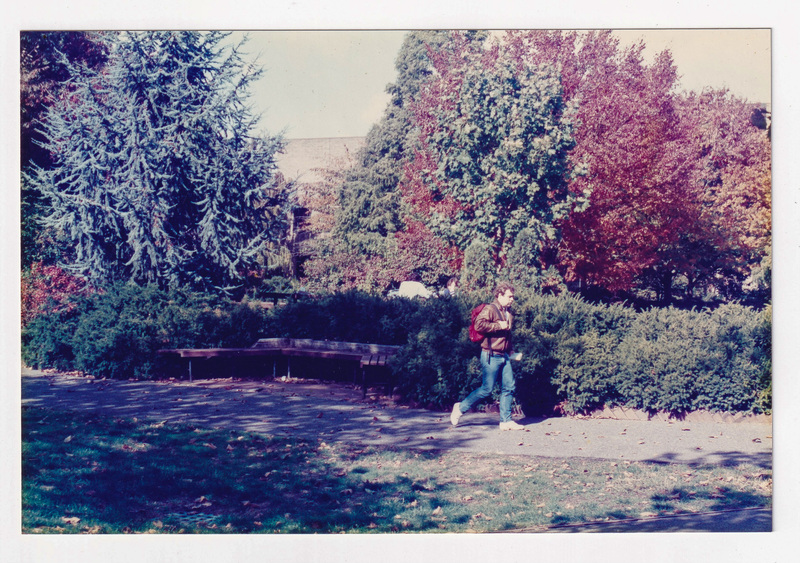
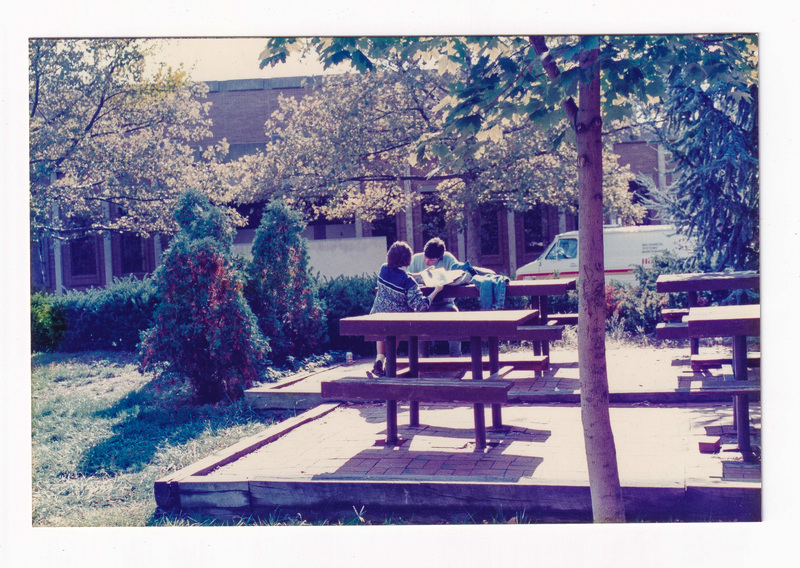
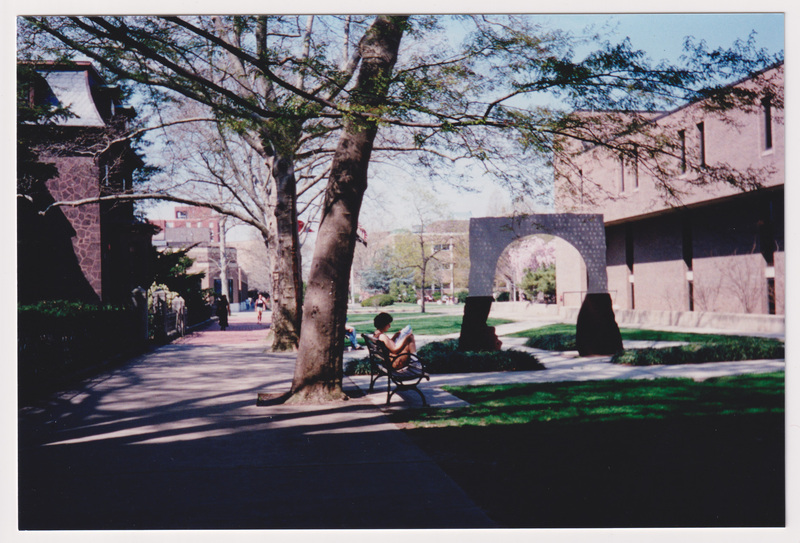
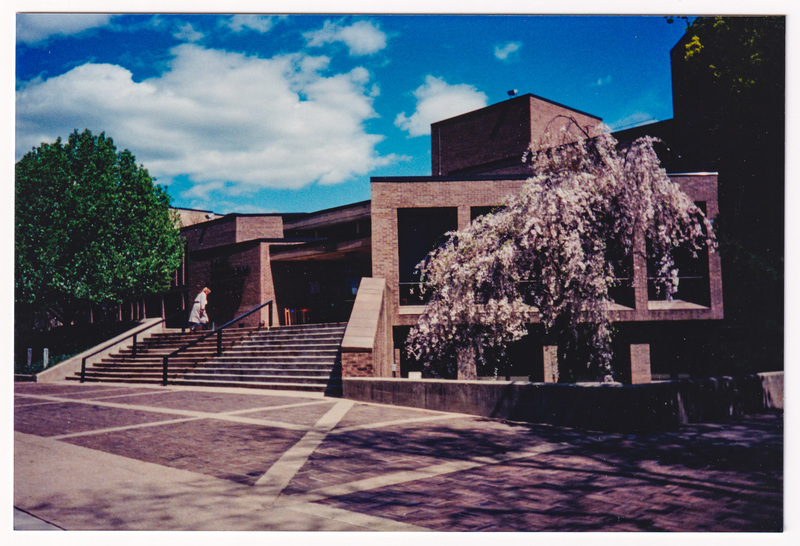
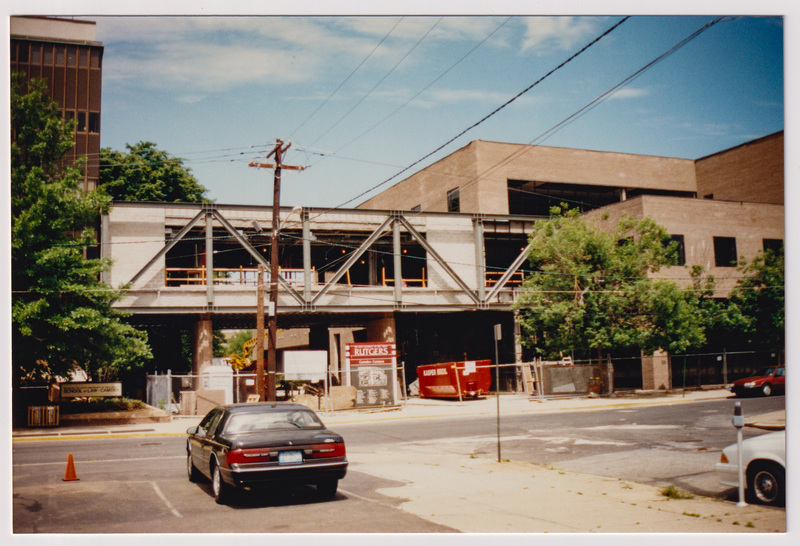
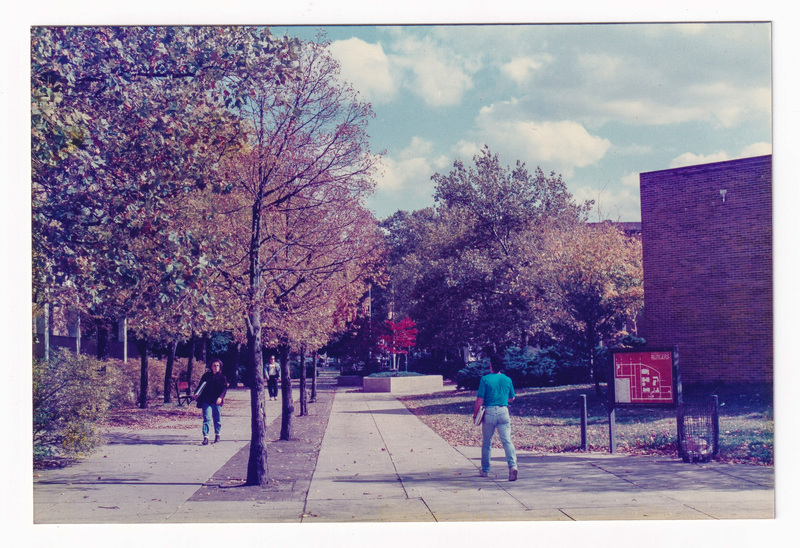
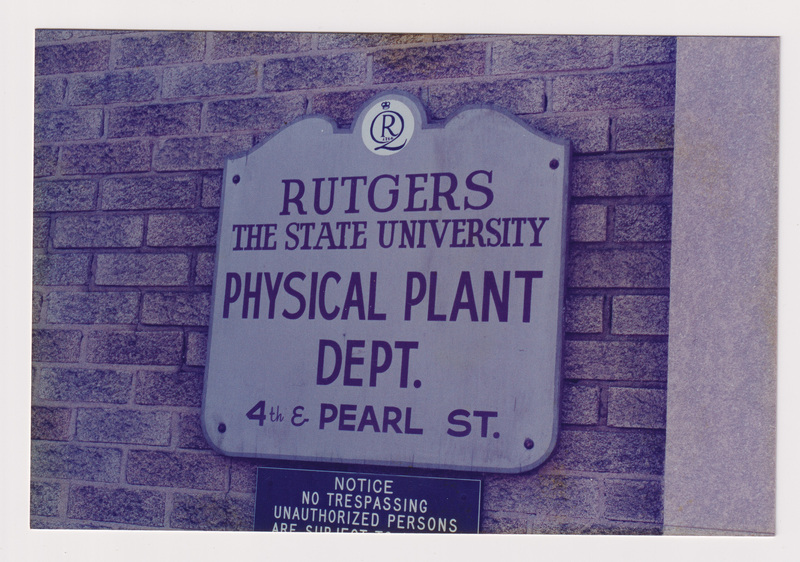
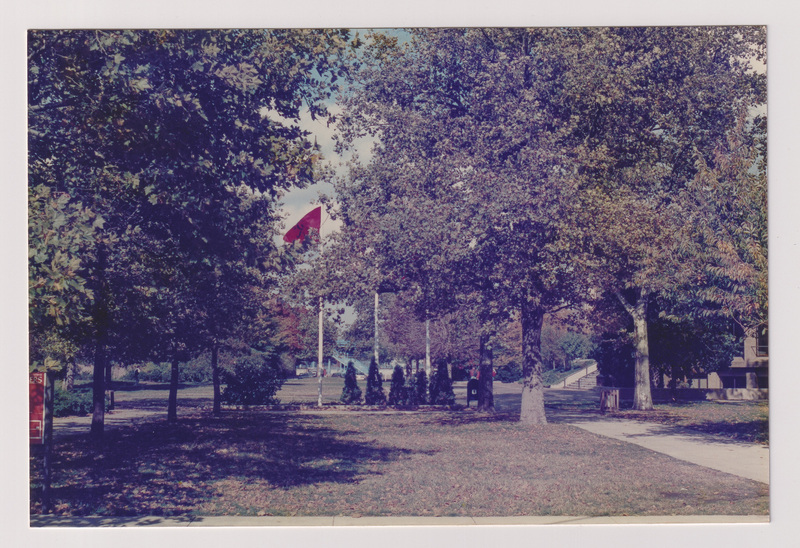
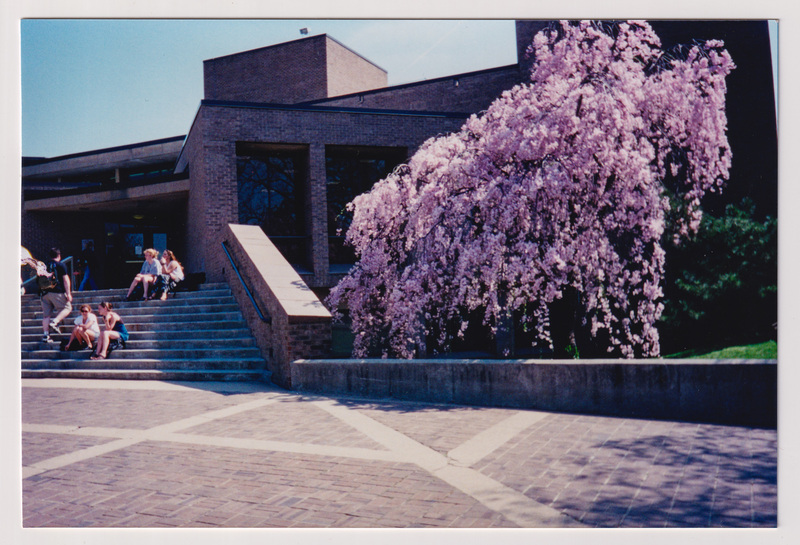
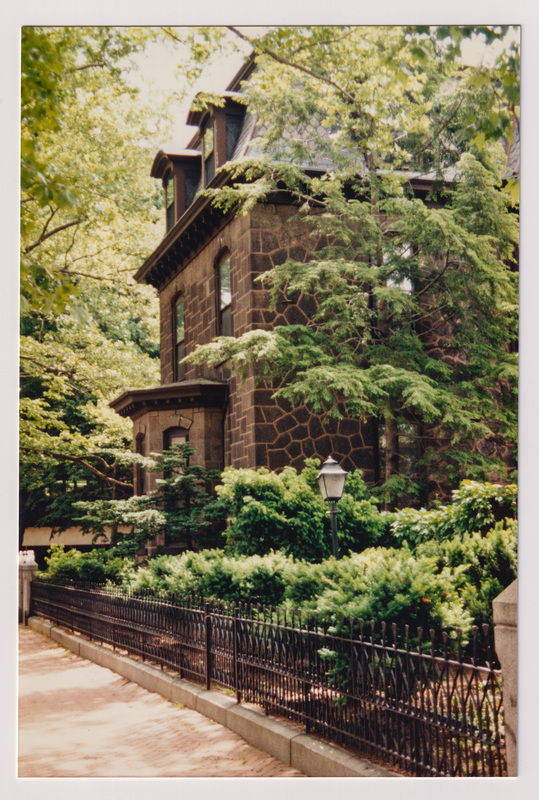
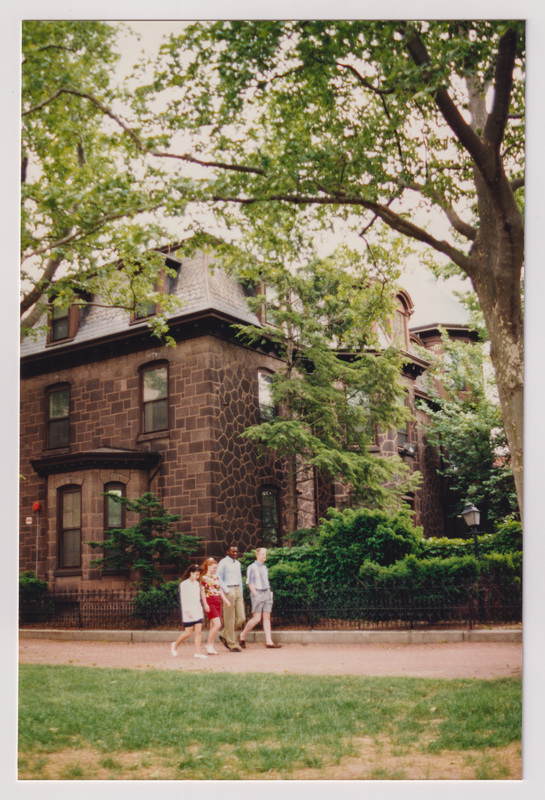
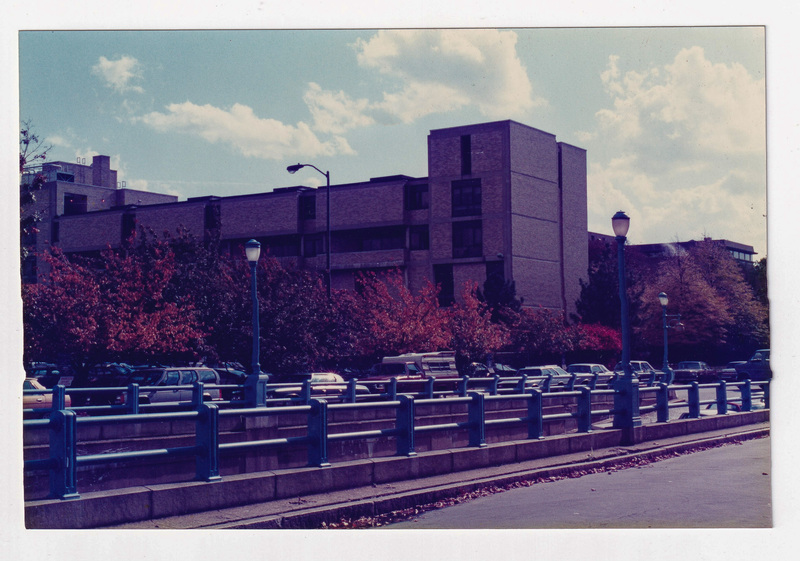
Photographs from the 1990s capture how the campus built upon earlier decades of rapid growth to refine and expand its identity. During this time, the administration continued to expand the campus with more buildings, additional major options, and further support for students and faculty. Additionally, the 90s saw the construction of the iconic archway linking the library and the law building.
Together, these visuals present a university that is no longer emerging but firmly established, with infrastructure and amenities that closely resemble the campus as it exists today, shaped by rising enrollment, institutional ambition, and a continued commitment to academic and student success.