
First Wave of Construction
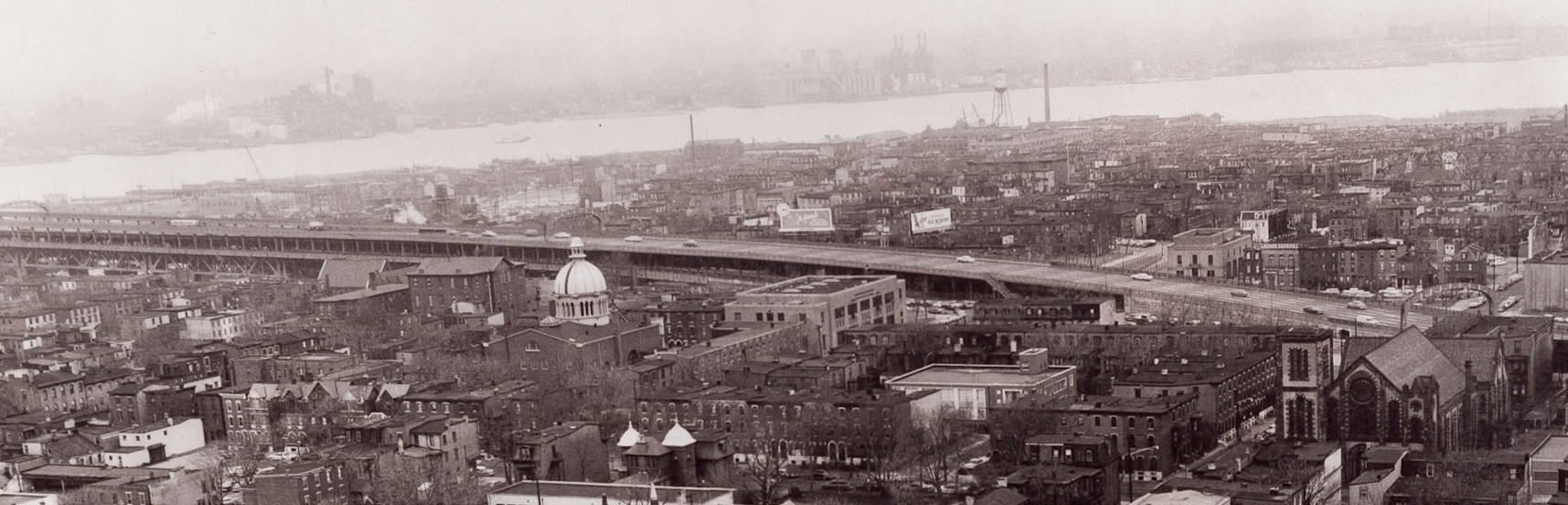
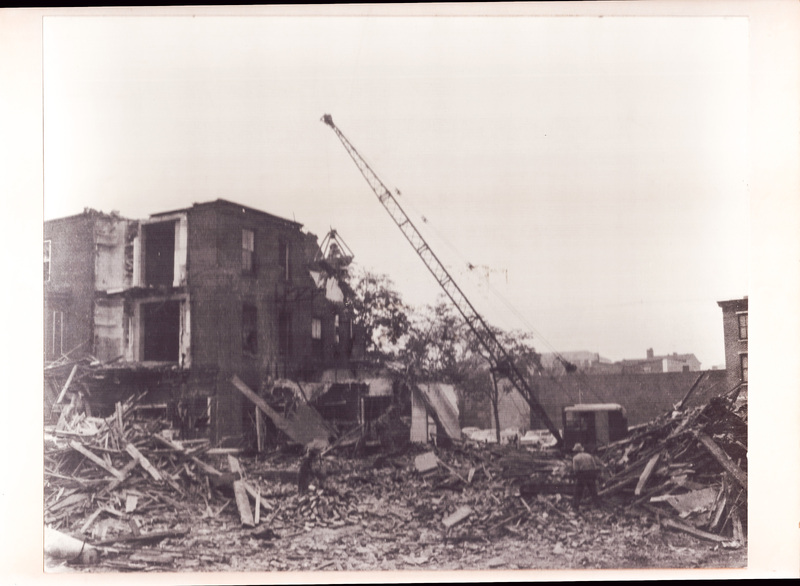
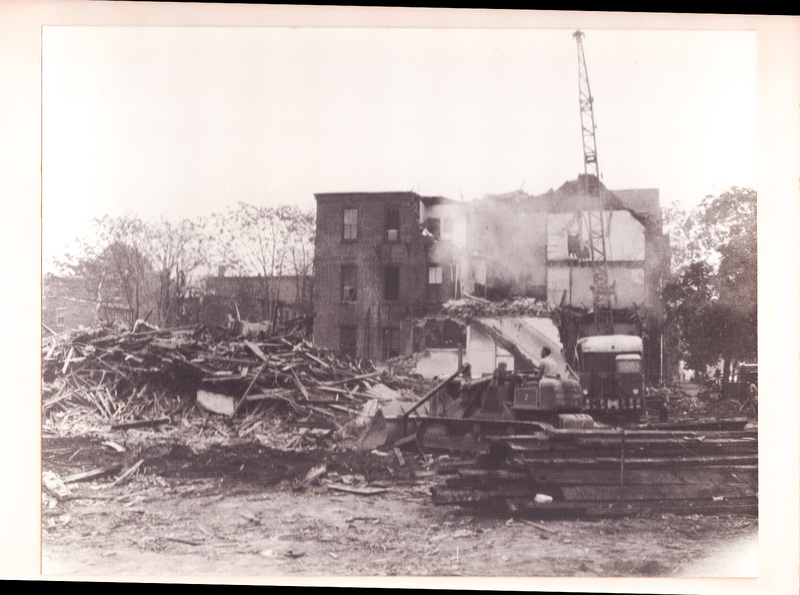
The first wave of construction, starting in the 1950's is marked by demolition of Camden city blocks, and brutalist architecture.
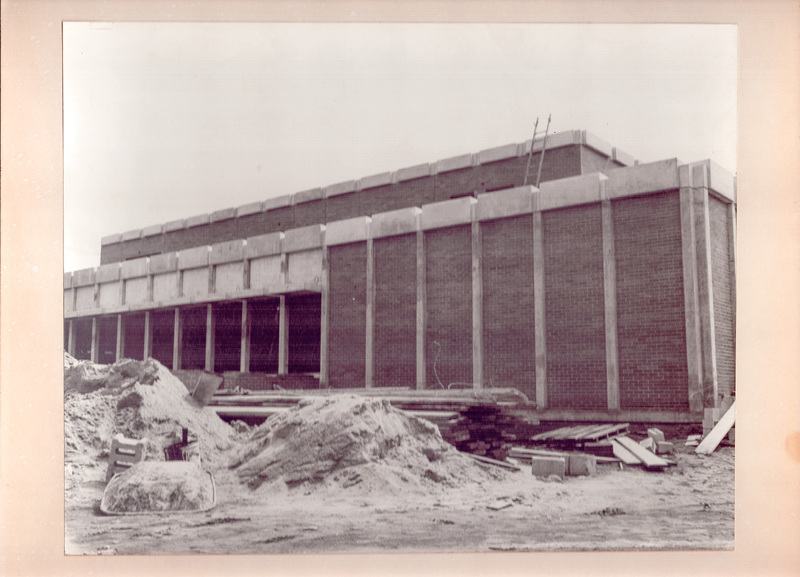
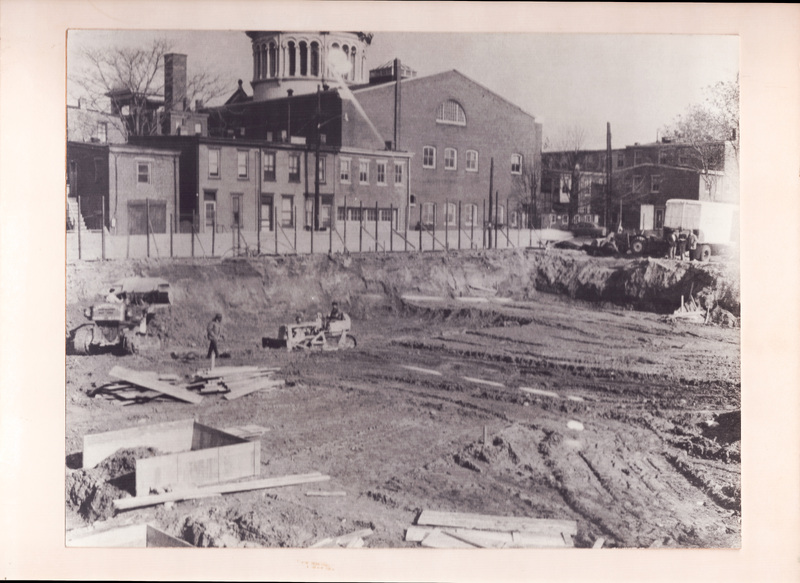
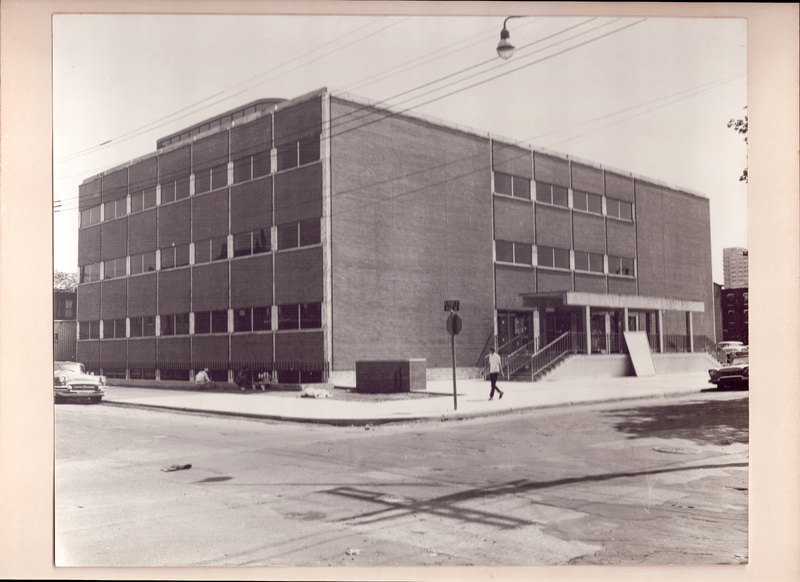
The 1950 merger that formally integrated Camden’s colleges into Rutgers, The State University of New Jersey marked a turning point in the campus’s physical and academic expansion, a transformation clearly reflected in the visuals of the period. With the establishment of a unified identity under Rutgers University—Camden, enrollment and academic activity grew rapidly, prompting significant investment in campus infrastructure. This first wave of construction and development is marked by demolition of Camden city blocks, and brutalist architecture.
This momentum is captured in images documenting the construction of a modern library in 1957, a $350,000 project designed to house up to 110,000 volumes. More than just a new building, the library symbolized the university’s deepening commitment to scholarship, research, and accessibility. The visuals highlight how the merger catalyzed not only institutional legitimacy but also the physical transformation of the campus into a space equipped to support a thriving academic community (Through the Decades | Rutgers University-Camden 2026).
Construction in the 1950's and 1960's
Construction in the 1970's
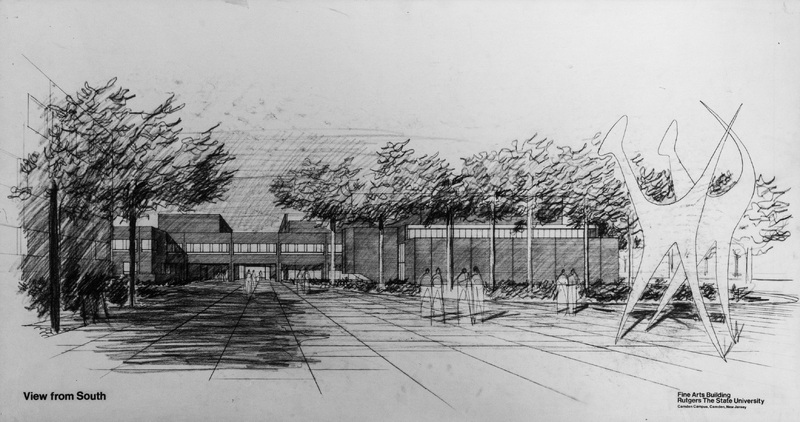
The 1970s marked a defining decade of growth and identity for Rutgers University–Camden, as the institution formally became Rutgers University, Camden College of Arts and Sciences in 1970 and began a period of significant campus expansion.
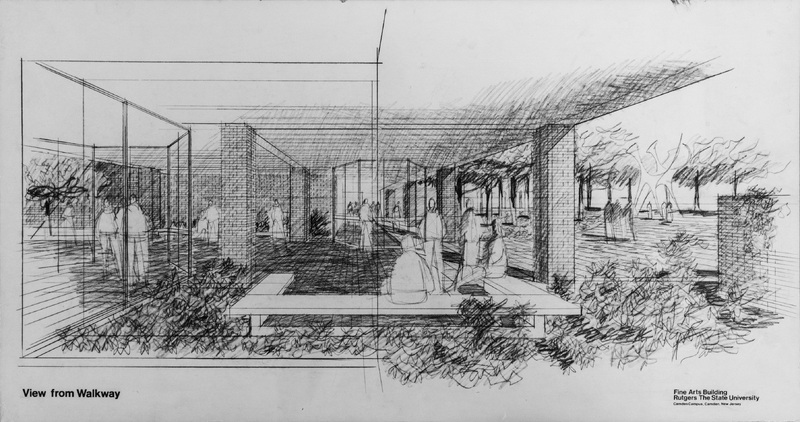
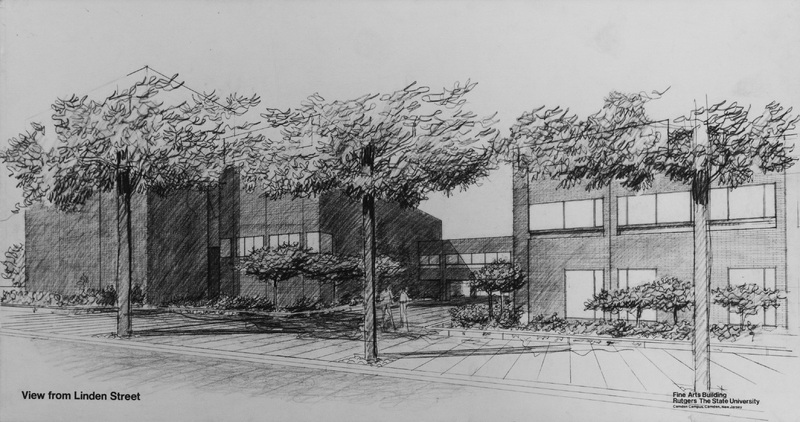
Among the most notable developments was the construction of the Fine Arts Building, which opened in stages between 1974 and 1975. Our collection includes sketch renderings of this facility, offering a unique glimpse into the architectural vision before it became a central part of campus life. The completed 65,000 square-foot structure, now home to the Gordon Theater and Stedman Gallery, created new opportunities for artistic expression and large public events in a modern setting.
Alongside other additions like the first gymnasium in 1973 and ongoing construction projects, these developments reflect a decade in which the campus not only expanded physically but also strengthened its cultural and academic presence (Rutgers-Camden in the 1970s 2010).