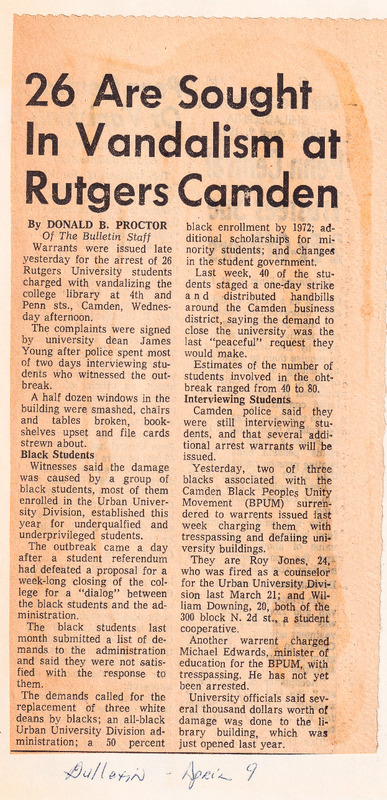
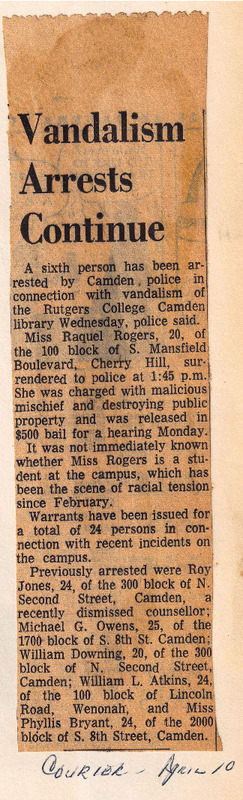
This article discusses the vandalism charges against the specific individuals who were involved in the library protest. They include specific names of the indivudials involved.
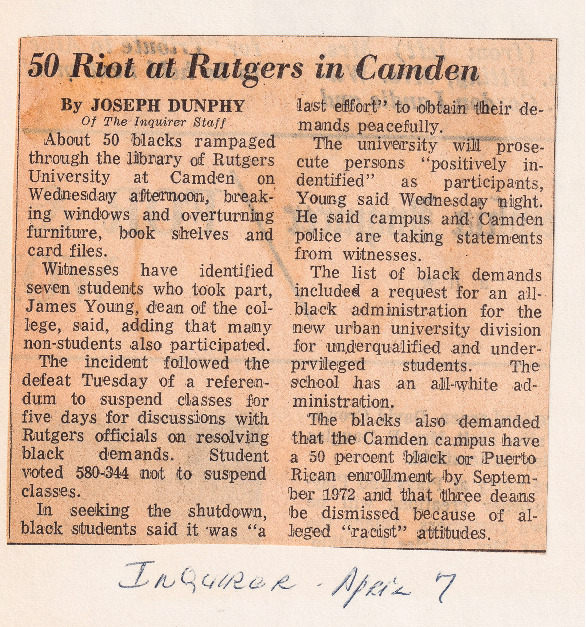
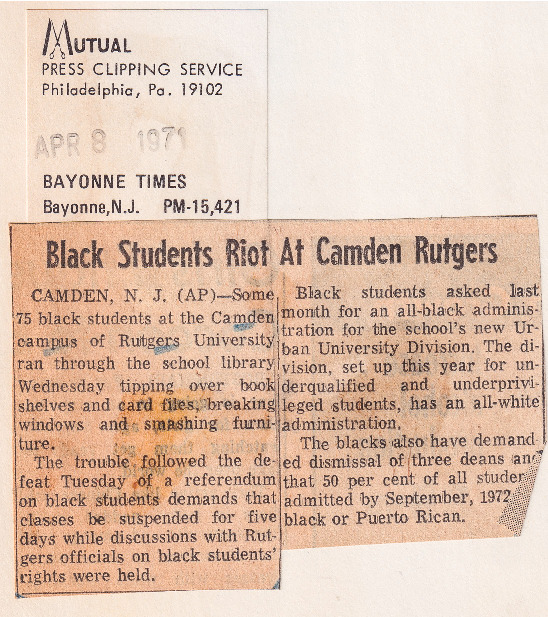
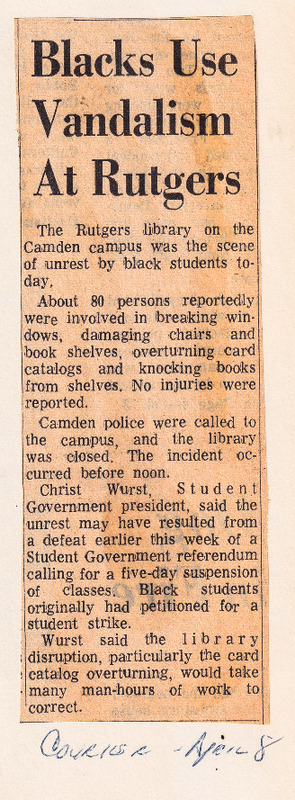
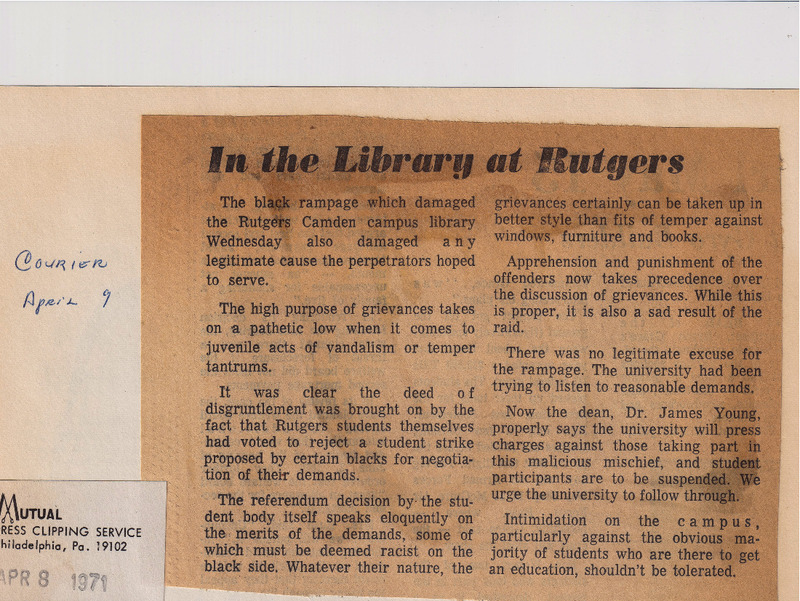
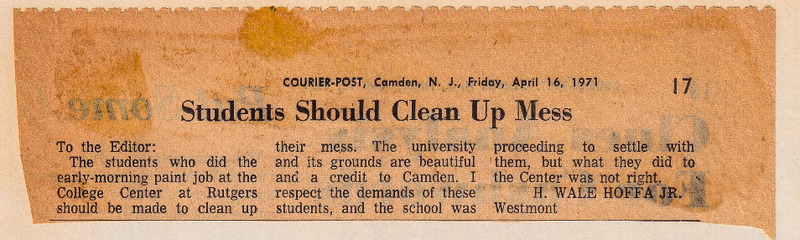
Author takes a hardline stance against the actions of Black students who protested the selection of an all-white administran for the Urban University Division by damaging parts of the library.
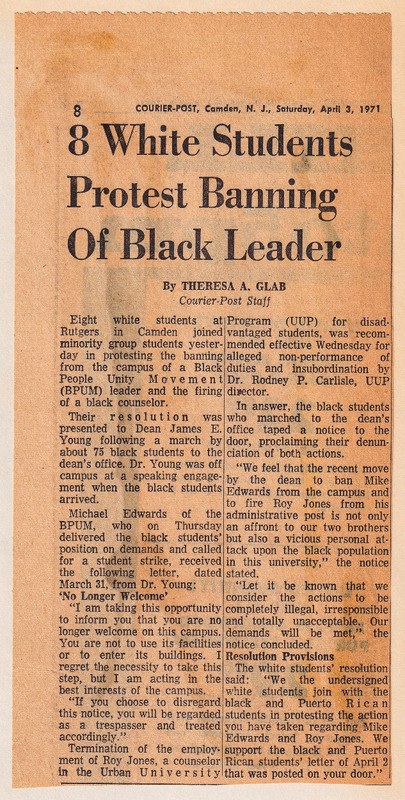
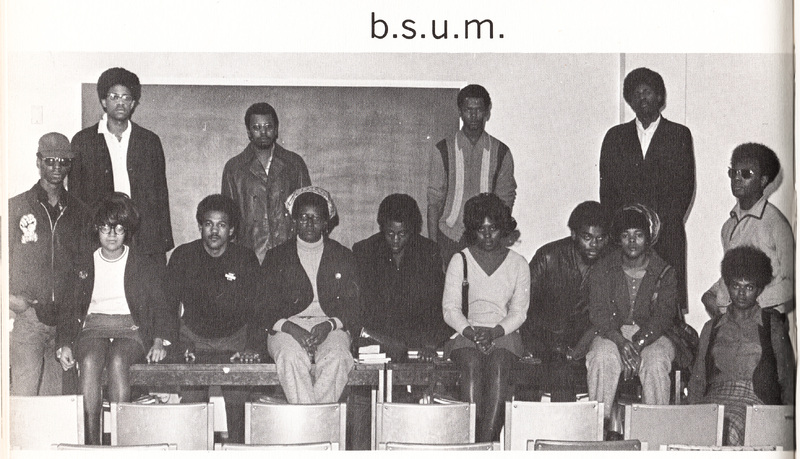
Describes the banning of a Black Student Unity Movement (BSUM) leader. In response a multiracial coalition of students , including 8 White students protest.
Black Ceremaic Beer Stein with a crest of the Rutgers fraternity on the front of the stein with latin phrases "CAESAREA SIGILLUM COLLEGII RUTGERSENSIS IN NOVA" with 19 and 68 as well. Item also has the name "RICH M" on back
White Ceramic Beer Stein with embossed labeling on the bottom and a crest of Tau Epsilon Phi fraternity on the front of the stein. Item also has the name "Rocky" on the reverse.
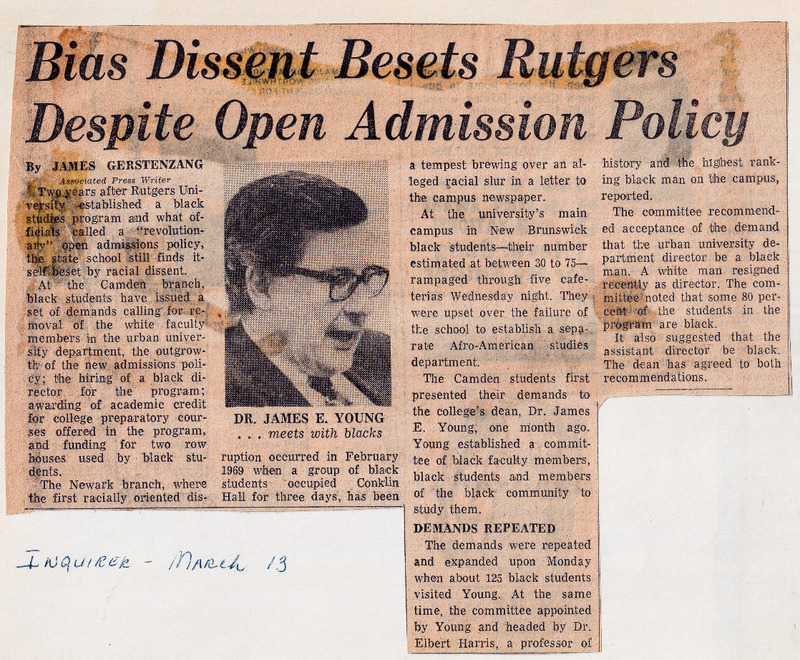
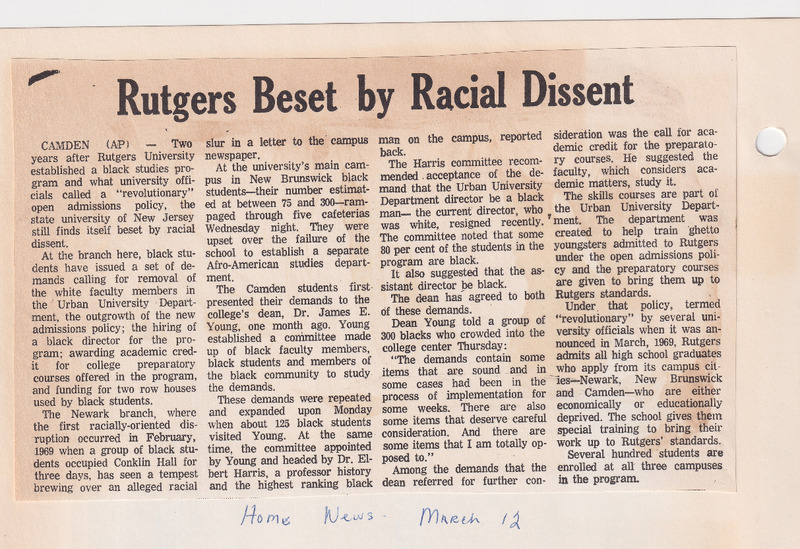
Black Students at Rutgers are still fighting for representation at Rutgers in a multitude of areas, despite Rutgers introducing a "revolutionary" open admissions policy.
Author takes a hardline stance against the actions of Black students who protested the selection of an all-white administran for the Urban University Division by damaging parts of the library.
Author takes a hardline stance against the actions of Black students who protested the selection of an all-white administran for the Urban University Division by damaging parts of the library.
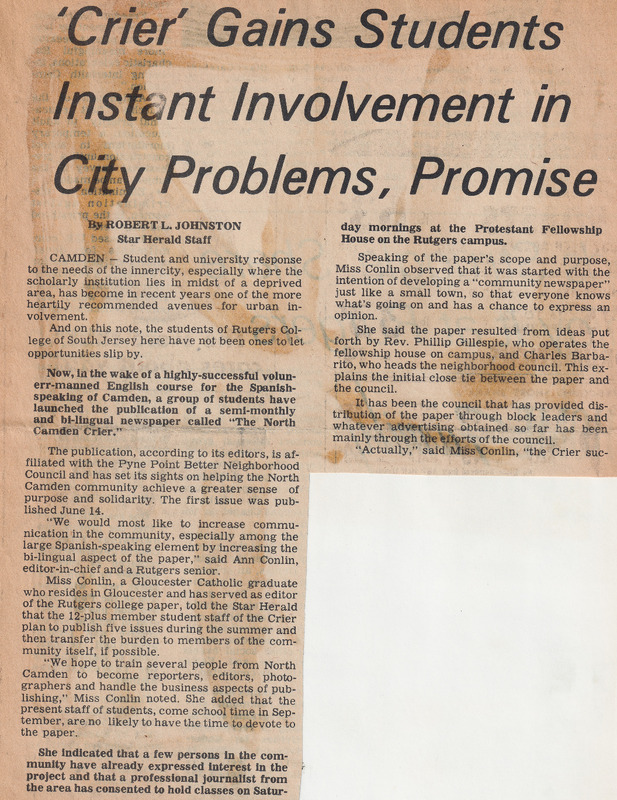
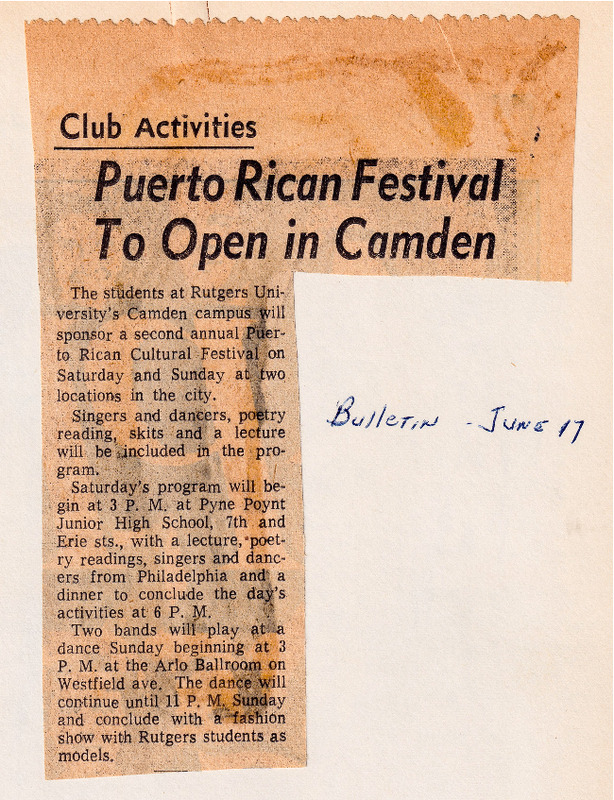
Rutgers students started the bilingual "North Camden County Crier" after a local newsletter was dropped. The aim was to eventually turn it over to local community members and to make a small-town newspaper for the inner city.
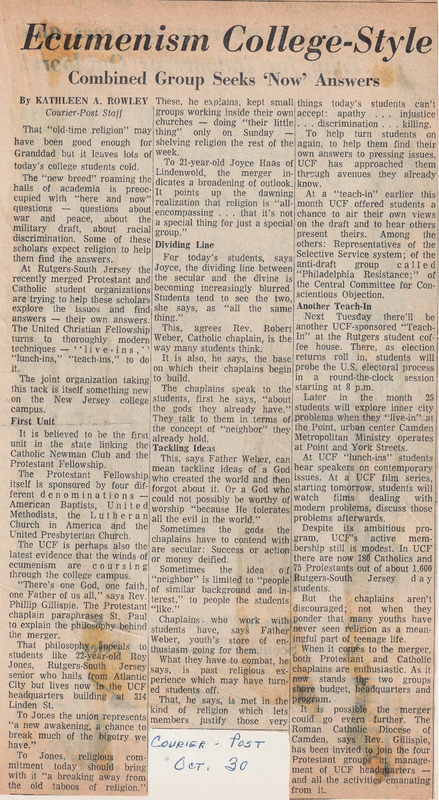
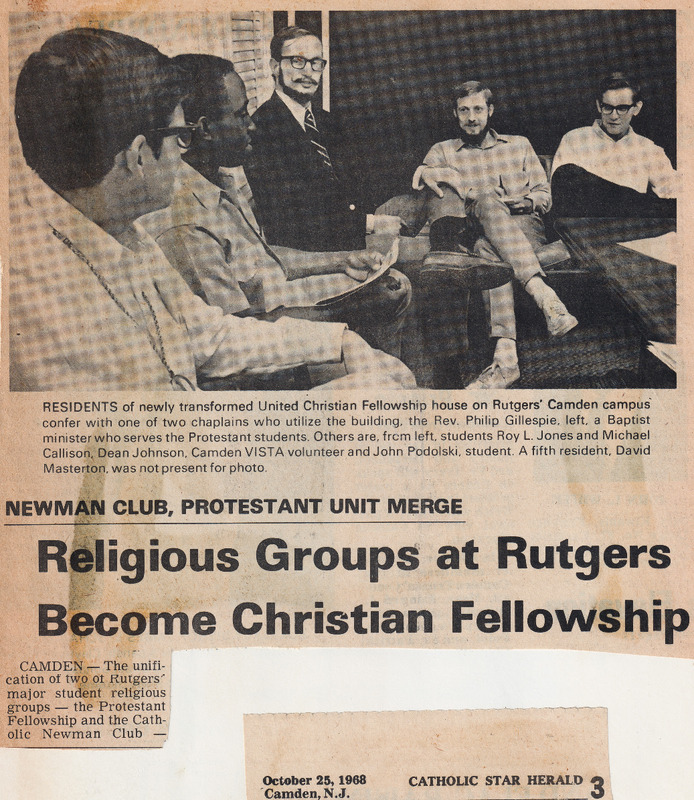
A new union between Protestant and Catholic religious groups at Rutgers forms because students feel they need answers about their big questions. The United Christian Fellowship holds "teach-ins" about contemporary issues and local problems.
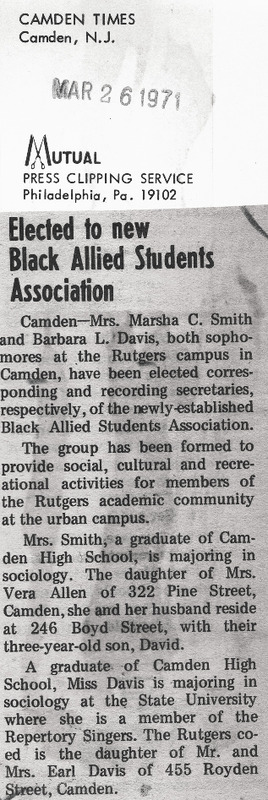
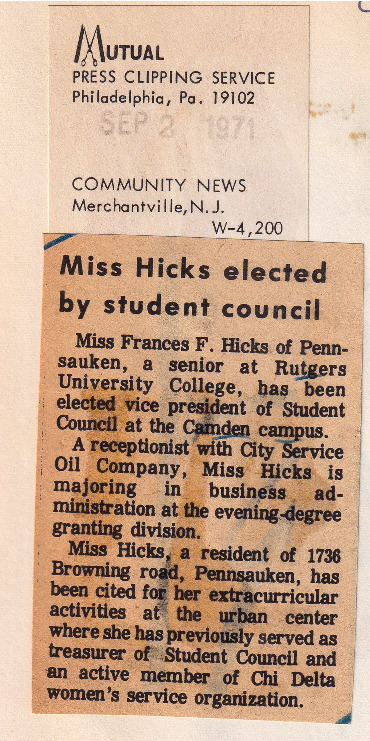
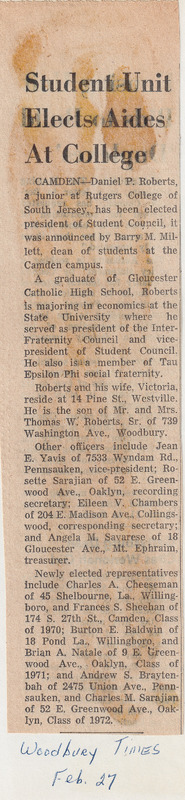
News clipping from the Camden Times announcing the election of Rutgers-Camden sophomores Marsha C. Smith and Barbara L. Davis as secretaries for the newly formed Black Allied Students Association.
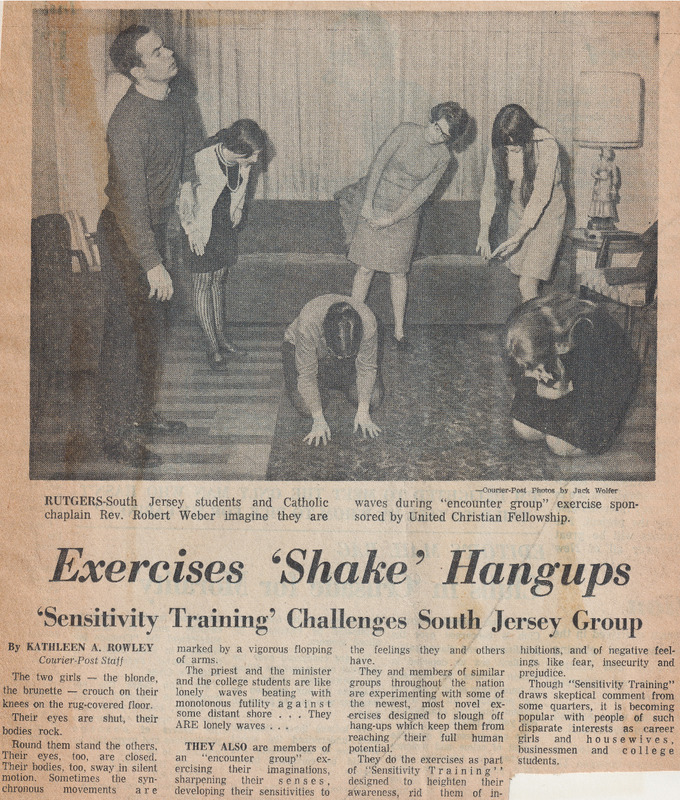
A nationwide phenomenon, "sensitivity training," has come to Rutgers as well. The training involves various exercises, including discussions of political issues, trust exercises, and getting to know one another personally. The participants claim it was helpful to learn about each other and become more cooperative, but because attendance was sporadic it was not as useful as it could be.
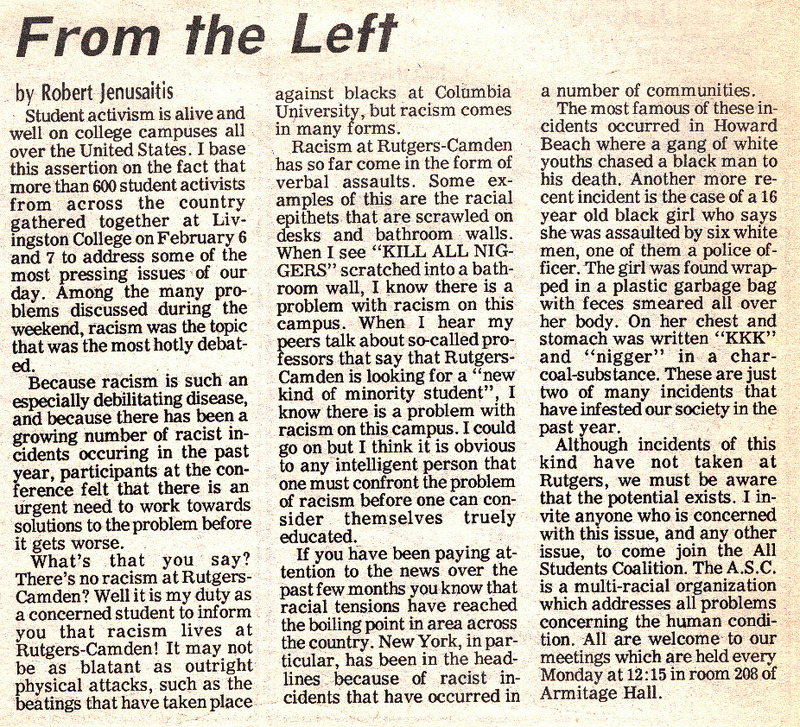
In the column "From the Left," Robert Jenusaitis asserts that student activism is thriving following a national conference at Livingston College and calls for students to join the All Students Coalition (A.S.C.) to combat racism on the Rutgers-Camden campus. He highlights the urgency of the issue by citing racial epithets found in campus buildings and comparing the local climate to high-profile racial violence cases in Howard Beach and New York.
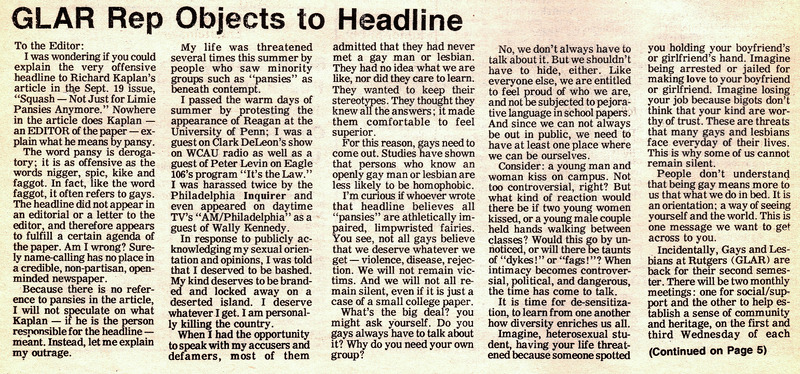
Letter to the Editor about Richard Kaplan's use of the word "Pansies" in the previous publication. The writer, Scott Mallinger, criticizes the usage of the term as homophobic and offensive against the LGBTQ community. He promoted the student organization, Gays and Lesbians at Rutgers (GLAR) as well. Mallinger's letter is followed by a brief response from John, a gay correspondent at the Gleaner, who argues that Mallinger needs to "loosen up" and that the use of "pansy" in a headline is different from the hateful use of slurs.
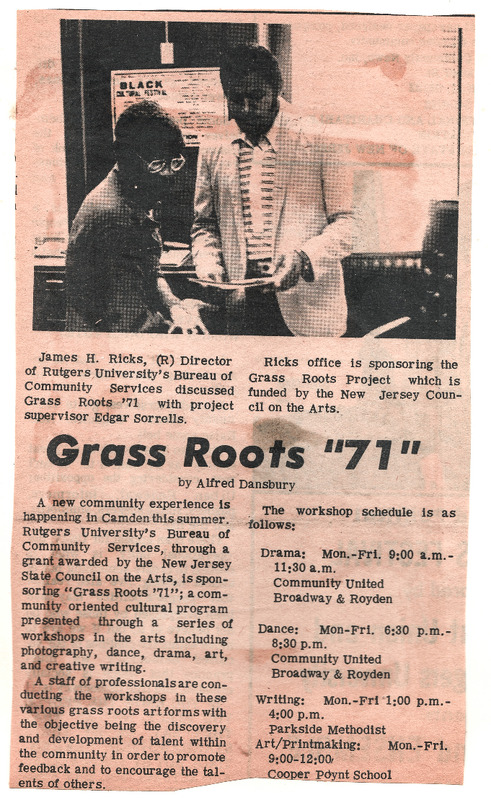
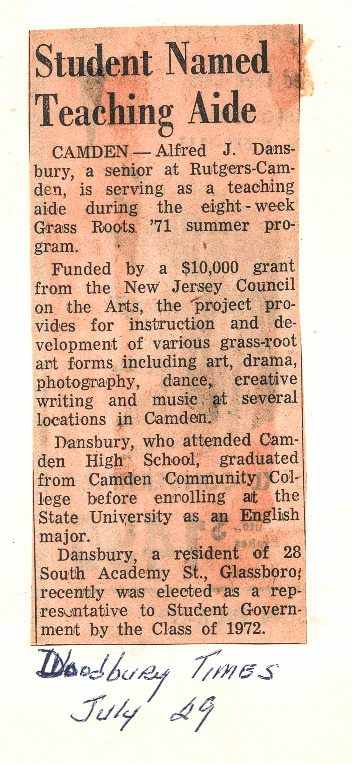
Rutgers Bureau of Community Services started a new program funded by a grant from the New Jersey State Council. The program, Grassroots "71," is a community oriented arts program for young children.
Author takes a hardline stance against the actions of Black students who protested the selection of an all-white administran for the Urban University Division by damaging parts of the library.
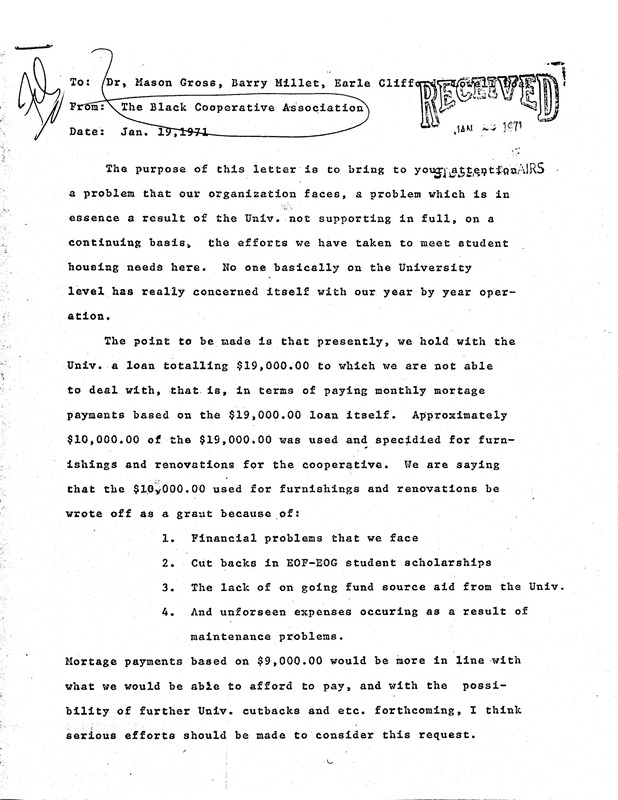
Memo from the Black Cooperative Association to Rutgers University President Mason Gross, Dean of Students Barry Millet, and Dean of Student Affairs Earle Clifford, signed by Roy L. Jones on January 19, 1971. The memo addresses the financial challenges facing the Black Cooperative Association in their endeavor to create cooperative student housing at Rutgers-Camden.
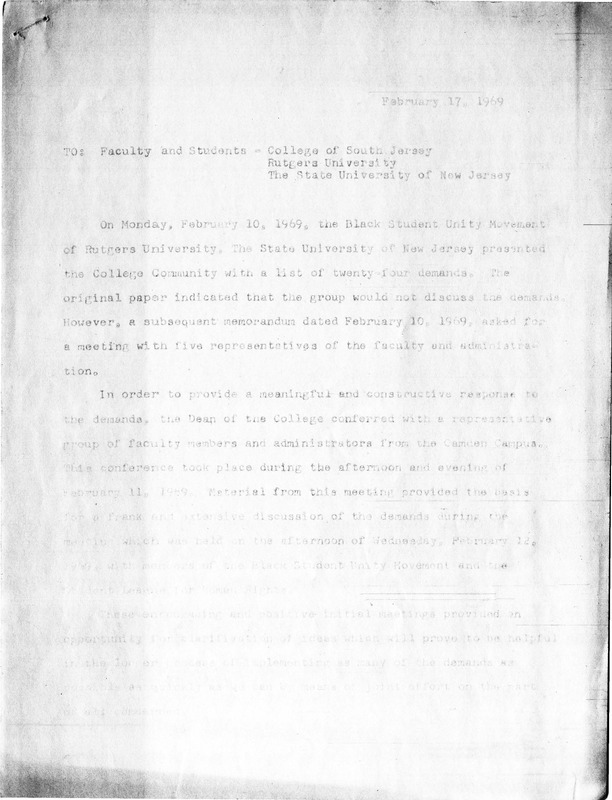
Copy of memo to Faculty and Students at the College of South Jersey (Rutgers-Camden), issued on February 17, 1969, regarding the Black Student Unity Movement's 24 demands. Although unsigned, it appears the memo was issued by the office of W. Layton Hall, the Dean of the College of South Jersey.
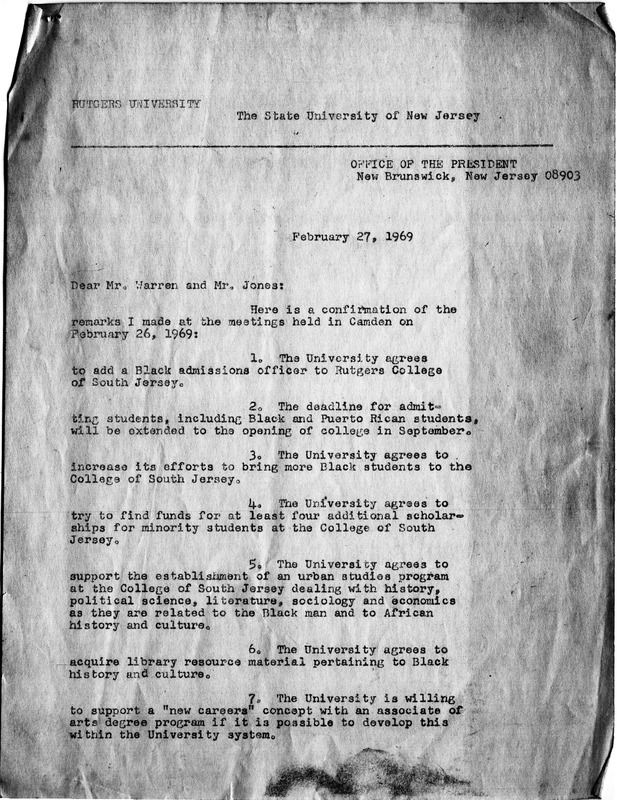
Letter from Rutgers President Mason W. Gross, dated February 27, 1969, to Rutgers–Camden students Thomas Warren and Roy Jones. The letter serves as a confirmation of the remarks that the president made at the meeting in Camden on February 26, 1969, regarding the Black Student Unity Movement's demands.
Prepared by Roy Jones, President of the Black Cooperative Association and member of the Black Student Unity Movement, this proposal outlines a plan to establish a student cooperative complex at Rutgers-Camden. The document includes information about the history and philosophy of the Black Cooperative Association, which was formed on March 20, 1969. The proposal explains that the Black Cooperative Association has already purchased a house at 301 N. 2nd St. and plans to purchase the adjacent property at 303 N. 2nd St. The proposal requests financial support from the university in the form of a loan to cover the purchase price of the second house and renovation costs.
The houses mentioned were located at the northwest corner of N. 2nd St. and Penn St., and they have since then been demolished.
The exact date of the proposal is not listed on the document, but its content suggests that it was written during the fall semester of 1969, because it refers to March 1969 as occurring "last semester."
The new United Christian Fellowship is succeeding, and many students are living in UCF housing. Some are planning on a "live-in," where they will work with the North Camden Metropolitan Ministry on inner city issues and learn more about their city.
Author takes a hardline stance against the actions of Black students who protested the selection of an all-white administran for the Urban University Division by damaging parts of the library.
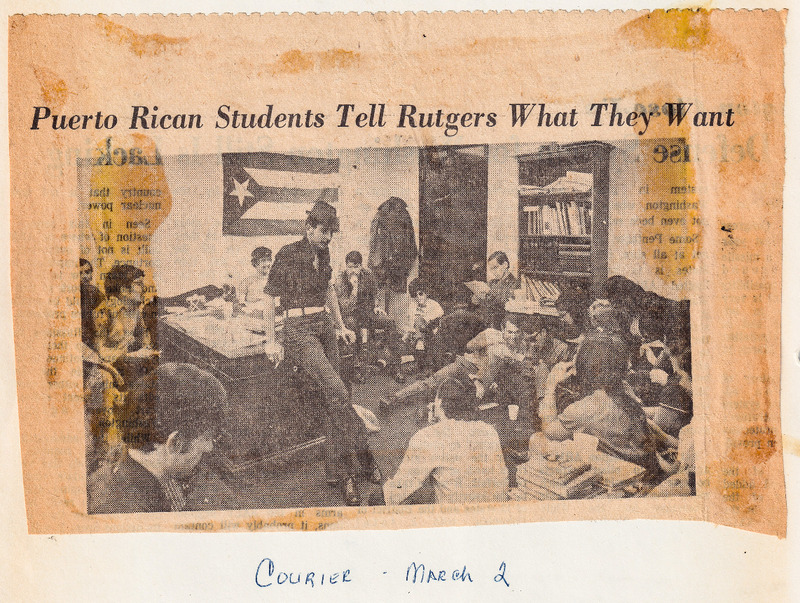
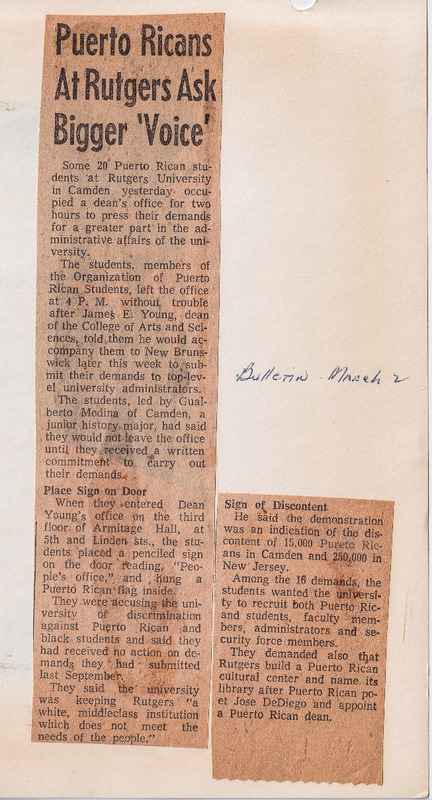
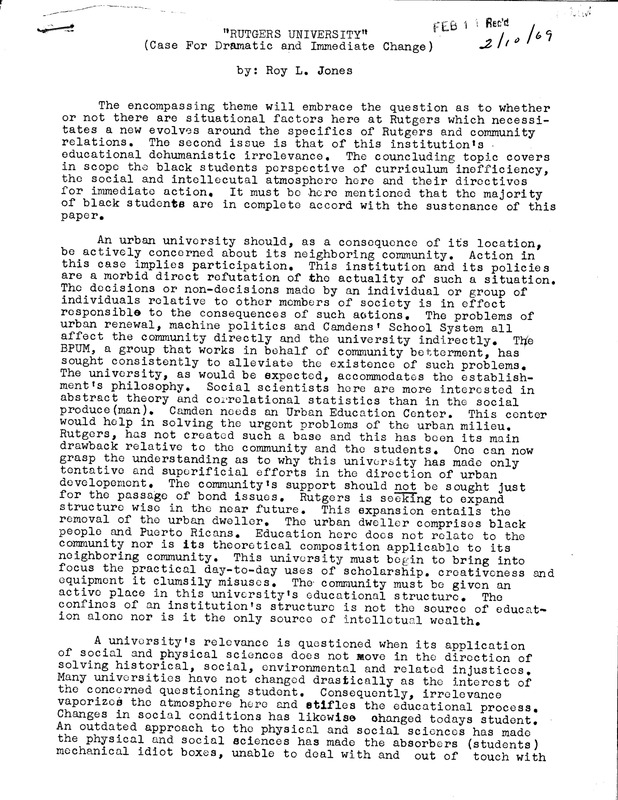
In this essay, Roy L. Jones discusses the relationship between the Rutgers University and the surrounding community in Camden, which is predominantly Black and Puerto Rican. Jones makes the case that, as an urban university, Rutgers should reconsider its impact, structure, and responsibility to the Camden community, as well as to the Black and Puerto Rican student populations.
Following Jones's essay, the document concludes with an evocative piece of writing by Myrna Williams, titled "Black Feeling," which addresses the alienation Williams feels as a Black student on campus.
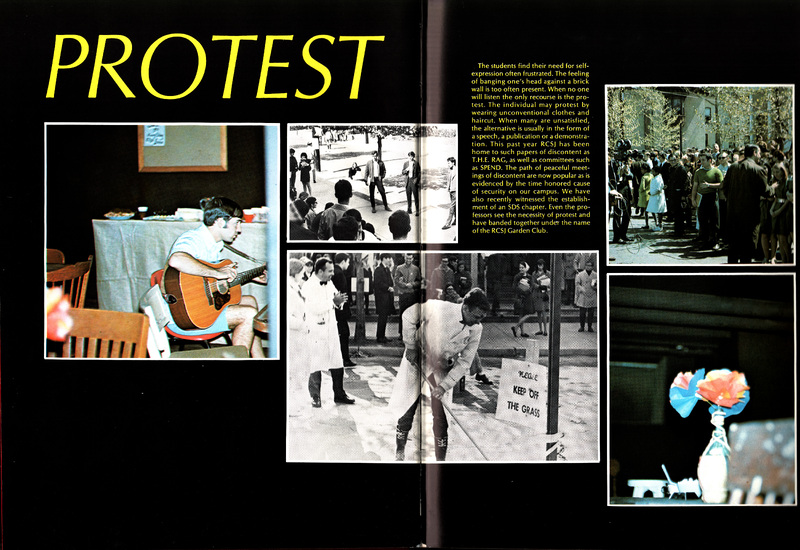
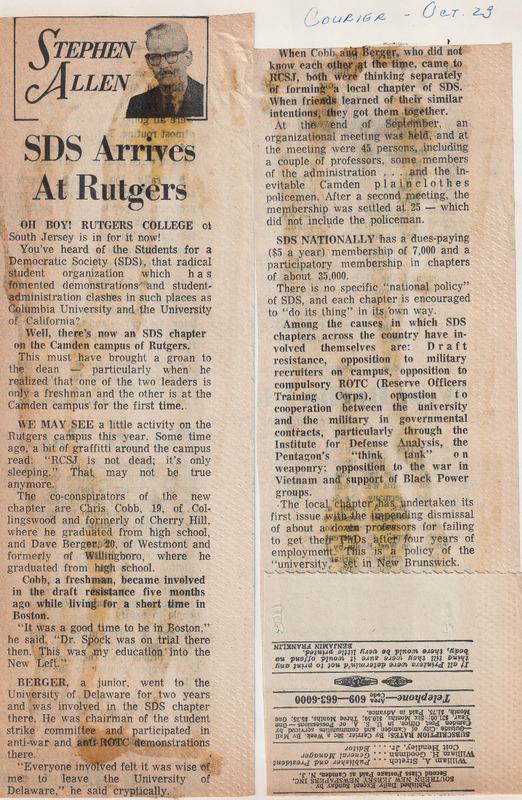
Students for a Democratic Society, a left-wing anti-war organization, has founded a chapter at Rutgers with 25 beginning members, including some professors. The founding members, both new to Rutgers, have high hopes for it.
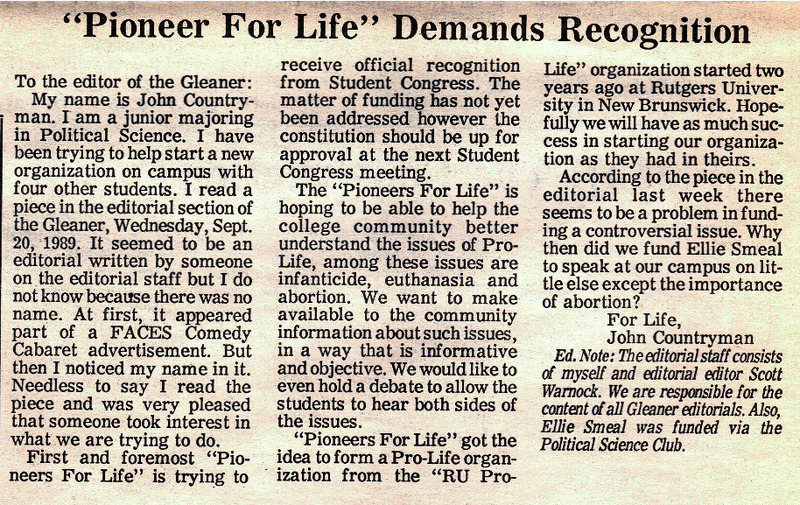
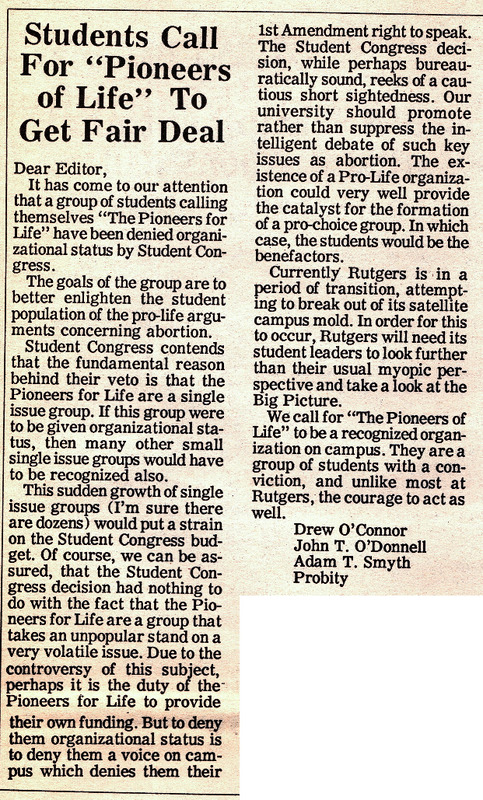
This is a "Letter to Editor" in which a group of students argue that a pro-life student group deserves organizational status from the Student Congress. They argue that university should promote discussions on abortion.
This article discusses the vandalism charges against the specific individuals who were involved in the library protest. They include specific names of the indivudials involved.
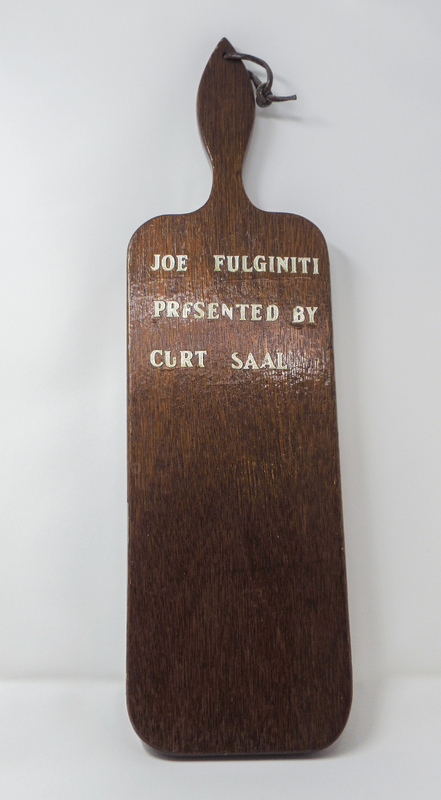
Wooden fraternity hazing paddle for the Lambda Sigma Chi fraternity. The front of the paddle has the Greek letters of the fraternity written out diagonally and the words "Spring '67" on the top. The back of the paddle states "JOE FULGINITI PRESENTED BY CURT SAAL"
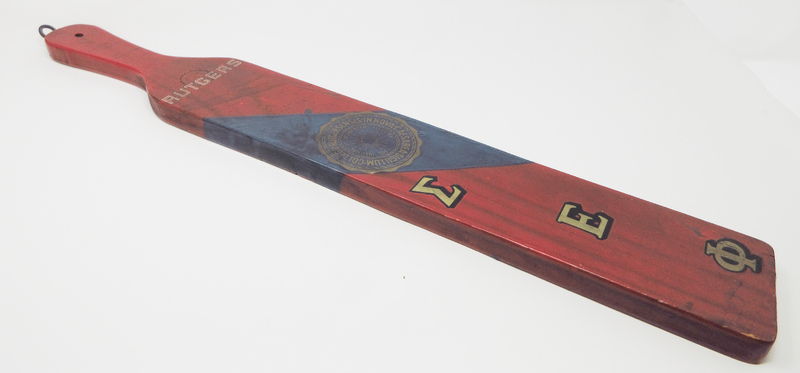
Wooden fraternity hazing paddle for the Sigma Epsilon Phi fraternity. The front of the paddle has the Greek letters of the fraternity written out diagonally, the Rutgers seal and the word "Rutgers" on the top. The back of the paddle gives pledge information stating "Pledge: Bill Hamilton Big Brother: Pete Fiorella Term of Pledgeship: Fall 1964 Course of Stady: Pre-Med. Class: 1967."