Demands & Institutional Change
The BSUM Makes Demands to the RU-C Administration
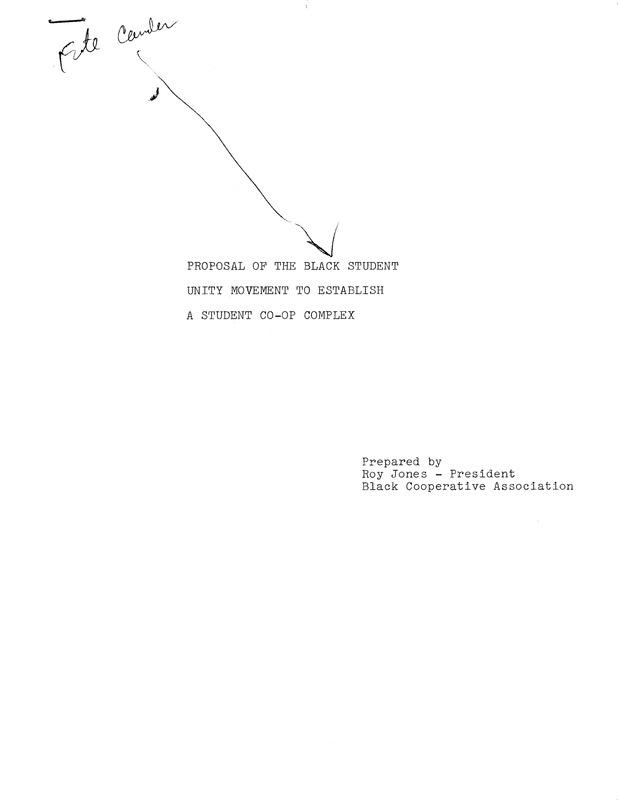
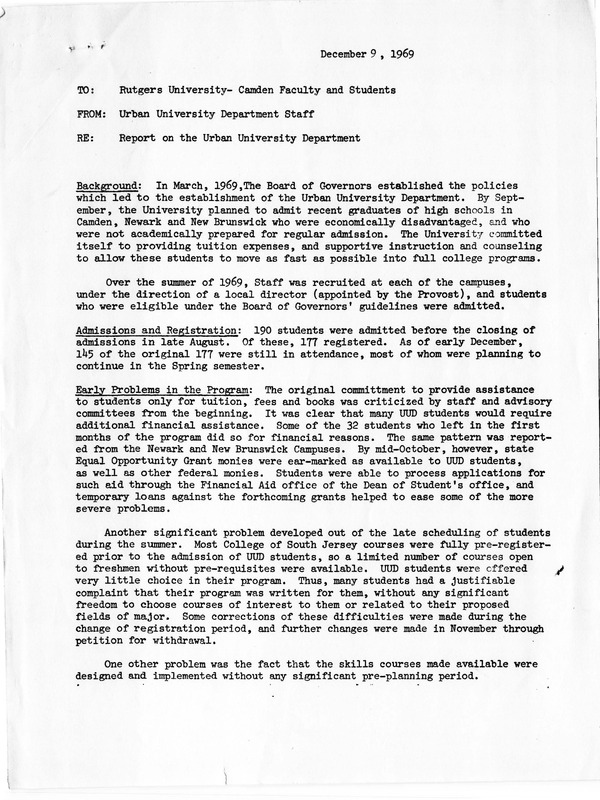
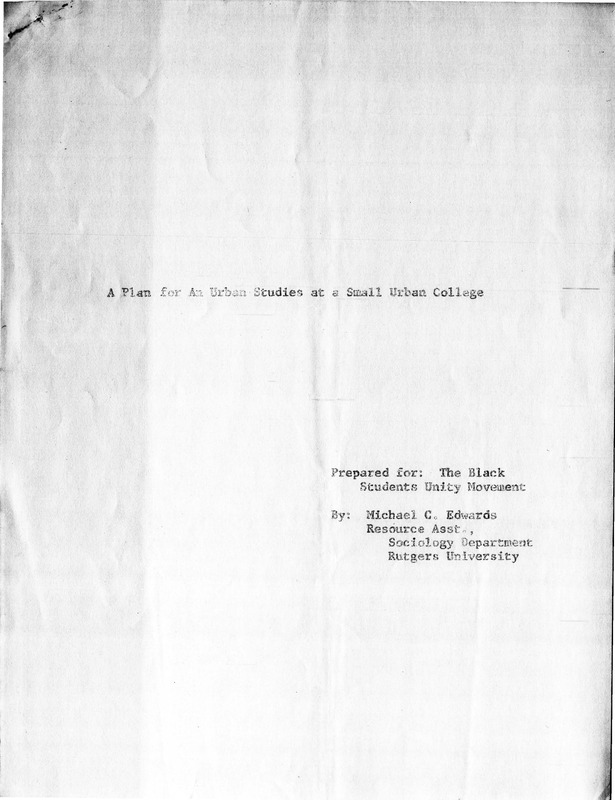
Black student activism at Rutgers-Camden extended to the reimagination of the university itself. Members of the BSUM not only demanded aspects of the university to change, but actively proposed new institutional structures that would better serve Black students and the broader Camden community.
Among the most significant outcomes were proposals for new academic programs and student-centered initiatives. Plans for an Urban Studies program, developed by student activists such as Malik Chaka (Michael C. Edwards) along with the BSUM, reflect the vision of an interdisciplinary education that examined and incorporated the social realities of urban life. This vision included a reconfiguration of academic offerings. Similarly, proposals for cooperative housing and policies to expand admissions policies aimed to make the university more accessible. It further aimed to hold the university accountable for providing culturally sound course offerings given the growing Black and Hispanic demographic of its student population. While many may position Black student activists as merely highly critical and oppositional, these efforts challenge these notions, demonstrative that they were generative indeed. These students ought to be remembered as visionaries, intellectual architects and strategists, reshaping Rutgers-Camden into a more socially engaged institution.