About
In the late 1960s and early 1970s, Black students at Rutgers-Camden organized in response to the conditions they encountered on campus and in the surrounding city. Through the Black Student Unity Movement (BSUM) and related organizations, students came together to articulate shared concerns about admissions, curriculum, and the broader role of the university. Their efforts took on many forms, ranging from protests, meetings with administrators and written demands to the creation of student-led publications, cultural programming and engagement with the surrounding neighborhood.
This period can be remembered for its transformational impact on the intellectual and cultural life. Newsletters, festivals and campus events fostered spaces for connection, reflection, inquiry and belonging. It also linked Rutgers-Camden students to the larger network of Black student movements taking place across the.
This digital project examines Black student activism at Rutgers–Camden between 1969 and 1972, focusing on the Black Student Unity Movement (BSUM) and its role in shaping institutional and cultural change. In the late 1960s, Black students organized themselves and their peers to challenge systemic inequities on campus, articulating demands that addressed admissions, curriculum, and held the university to a higher standard of accountability.
The Black Student Union Over the Years
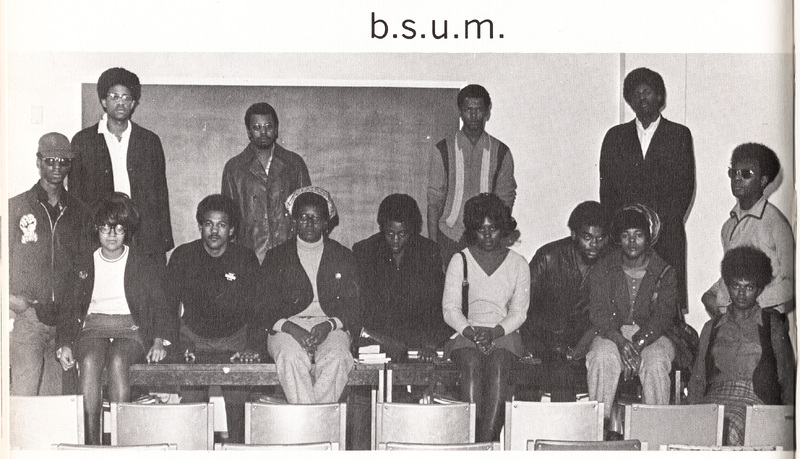
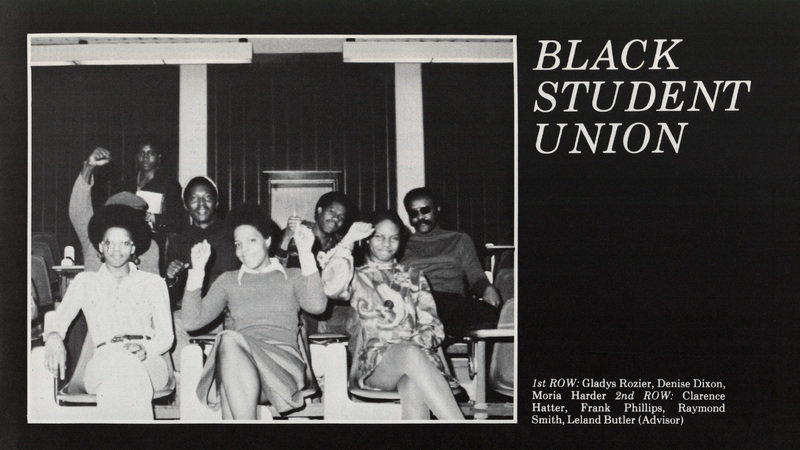
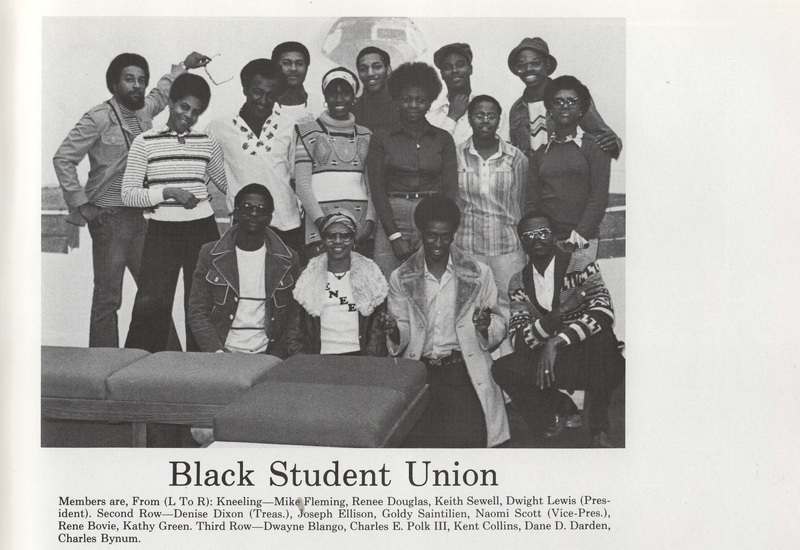
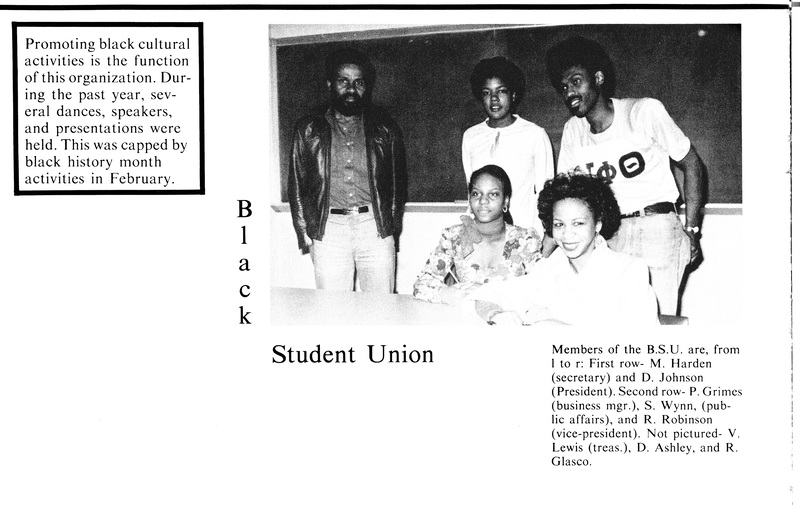
This site uses a range of materials from the Special Collections and University Archives at Rutgers University Libraries to illuminate the history of Black student activism at Rutgers-Camden. From university records to student publications and contemporary news coverage, this site traces where activism, negoritation and community-building intersect. By organizing these documents thematically, the project highlights both the the everyday work and the tension of building something new within an institution. It also reflects the possibilities of digital history as a method for interpreting and presenting archival materials.
This digital project was created by Isoke Senghor, a second-year History MA student, as part of a graduate course in Digital History, instructed by Dr. Jesse Bayker at Rutgers University-Camden. The intention of this project is to offer a narrative that highlights how student activism shaped the university in ways that, decades ahead, the Rutgers-Camden community benefits from. The leadership oand organizing efforts of students to transform academic offerings, admissions practices, and student life in the 1960s and 1970s is not confied to the past, but continue to shape Rutgers-Camden campus today.