Collection Preview
The Bancroft Collection includes multiple types of resources, including photographs taken for the school, the contents of their library, and records of student admission across the years. Below is a small sampler of what each type of item is and how it might be useful for student or professor research.
Bancroft Photographs
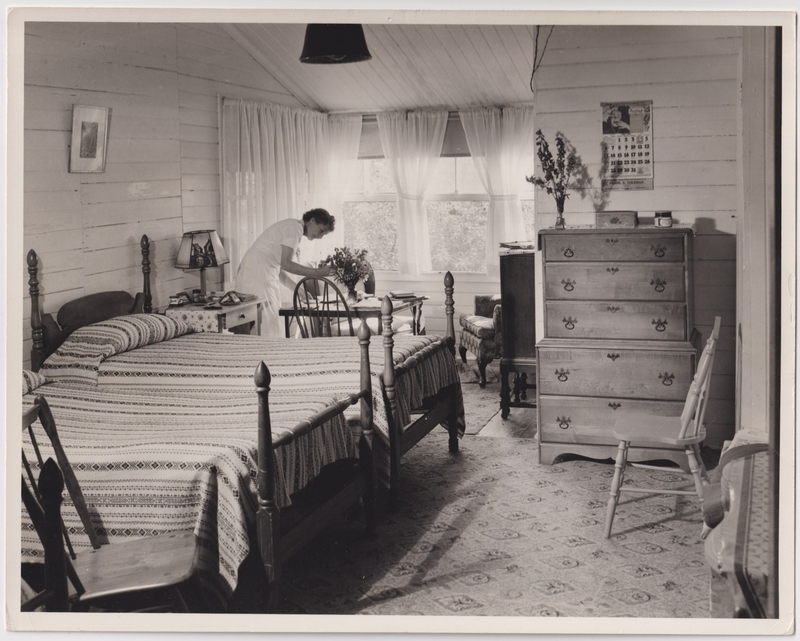
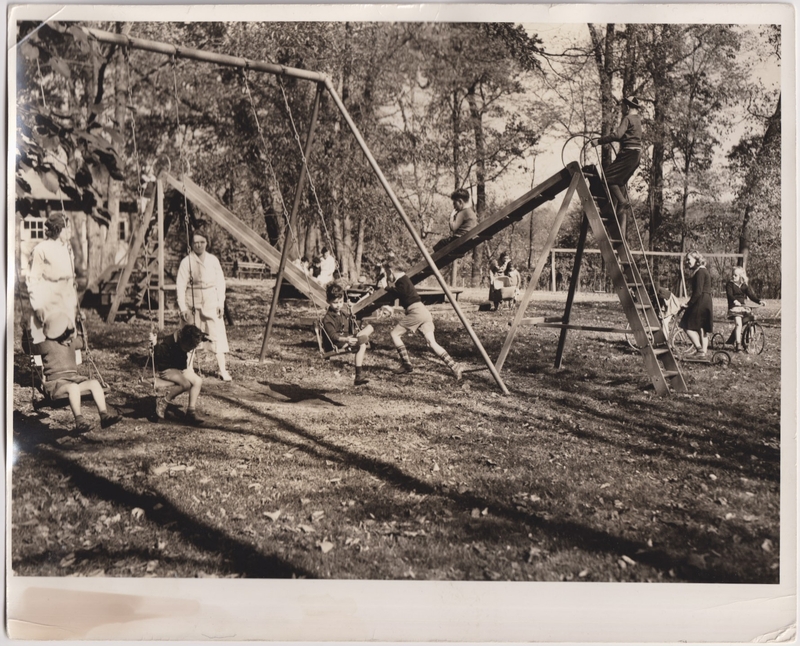
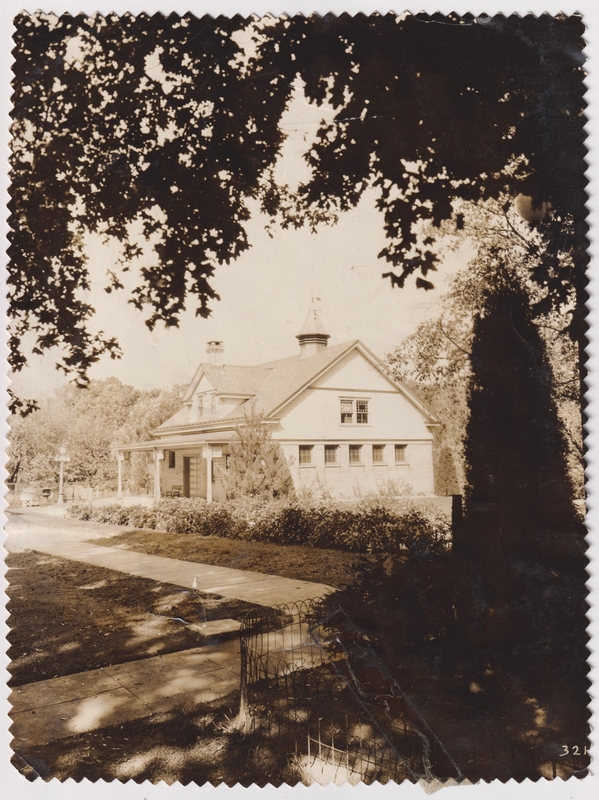
The collection of photographs span from the very beginning of the school's founding to close to the present day. There are photographs of students, buildings, classrooms, and employees, some clearly to be used in promotional materials and some that appear to be for campus records.
These photographs include information about the buildings themselves, portrayals of the teachers and students, and some information about the students themselves. Photography as an art form, especially when used for publicity, can reveal a lot about the history of a place, and demonstrates how an organization wishes to portray itself.
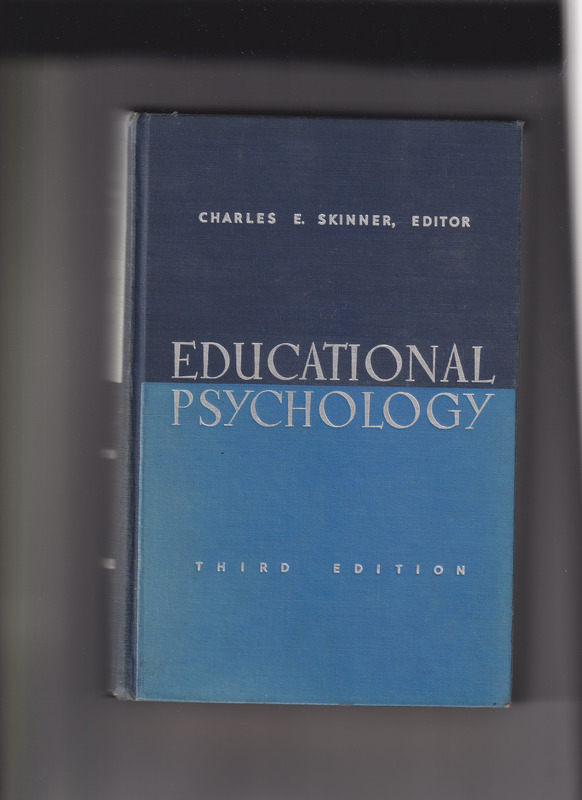
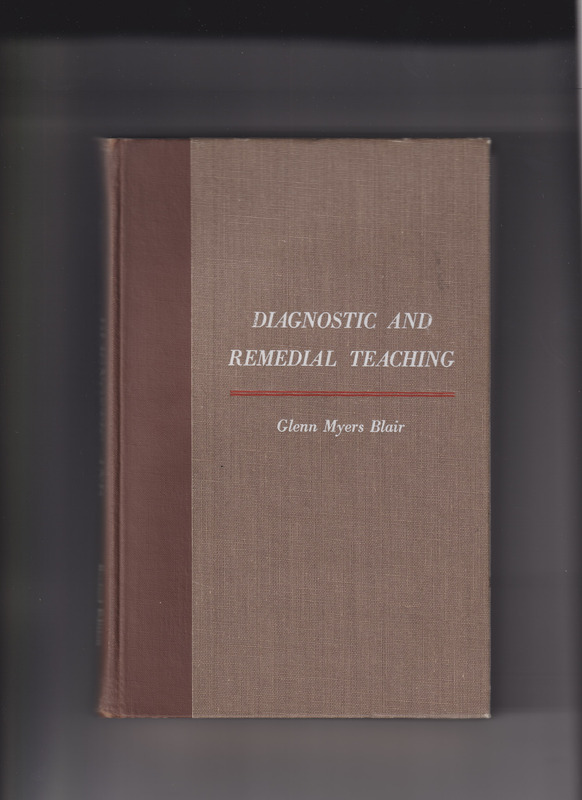
Bancroft Library Books
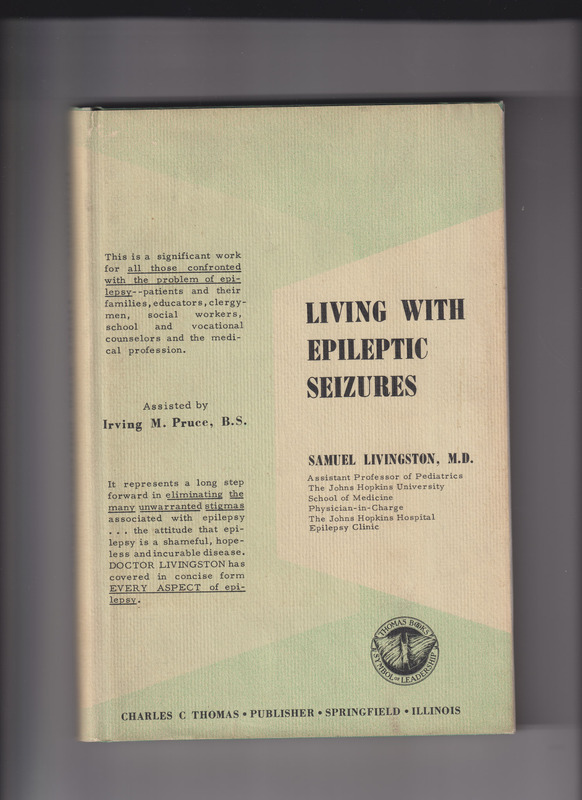
The library contained a series of books from various periods of the school's history. The collection spans many subjects, including child psychology, education, pedagogy, and medicine, published over many years.
While many of these texts are outdated and use language that is unacceptable in medicine today, they are an important part of medical history, and provide a detailed look into the types of information that informed doctors, nurses, and educators of the period. They also can inform historical context about medicine and disability throughout the history of the Bancroft School.
Bancroft Admittance Records
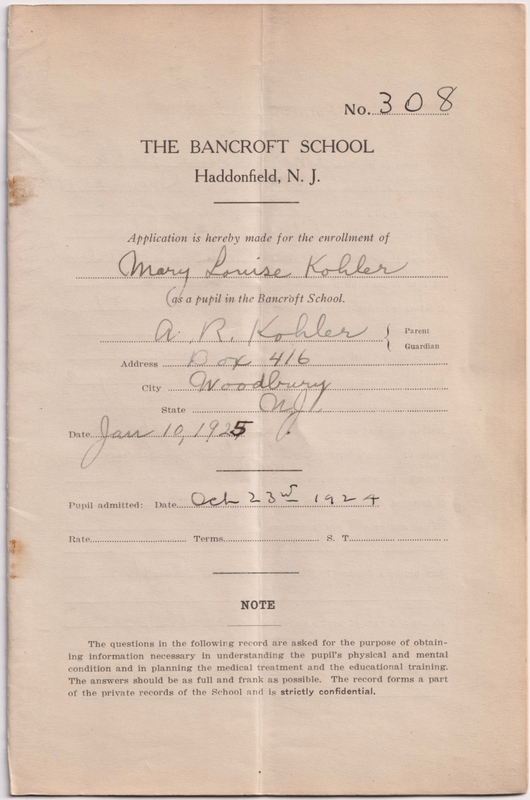
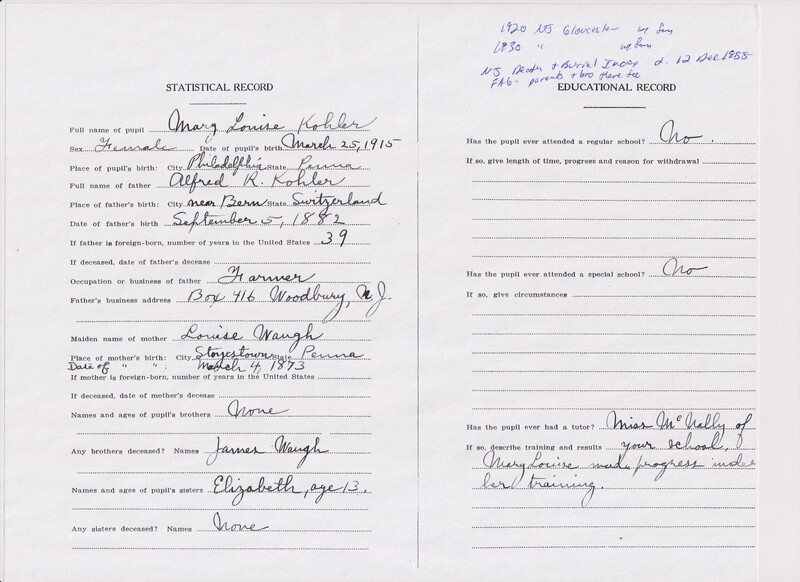
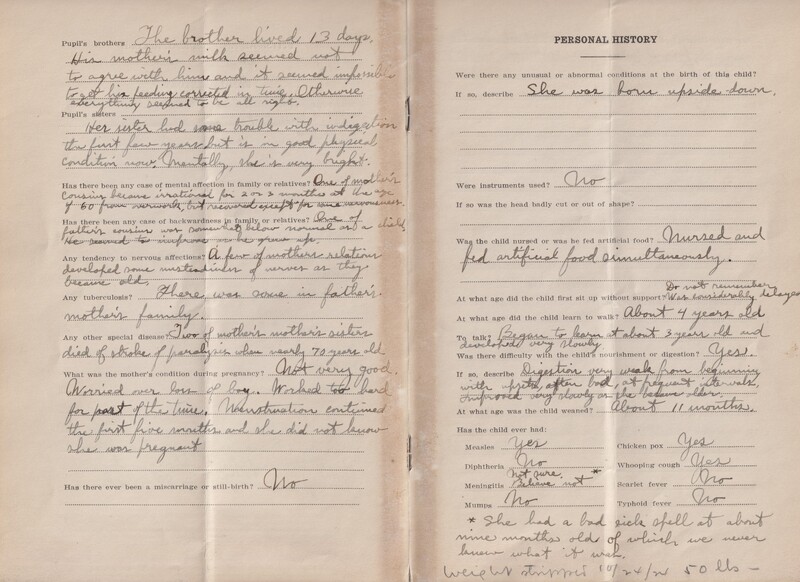
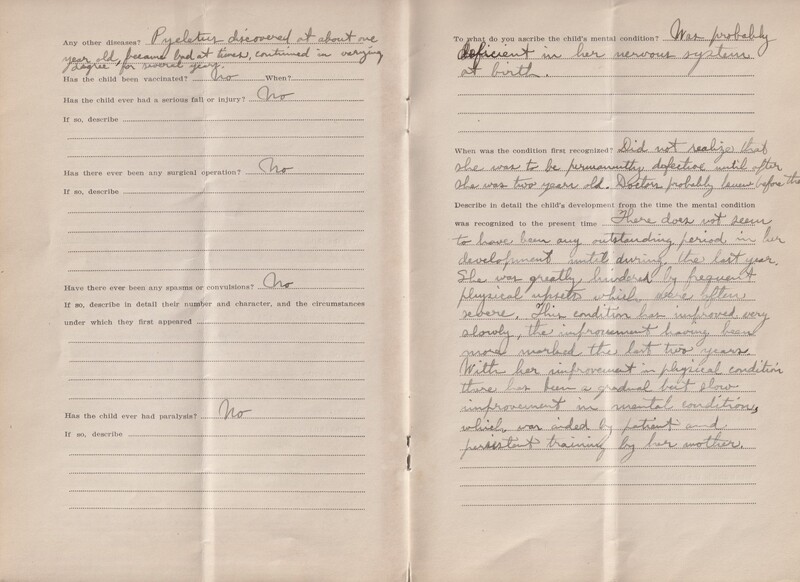
The bulk of the Bancroft Collection is the admittance records of students at the school, starting in the early 1900s and going onwards. While there is a large collection, not all are available for research use; the privacy of former students is paramount, and only the records of individuals who have been deceased for over 50 years are accessible for public use. The librarians have done extensive genealogical research on the students in order to protect their information. The example shown here, Mary Louise Kohler, died in 1955.
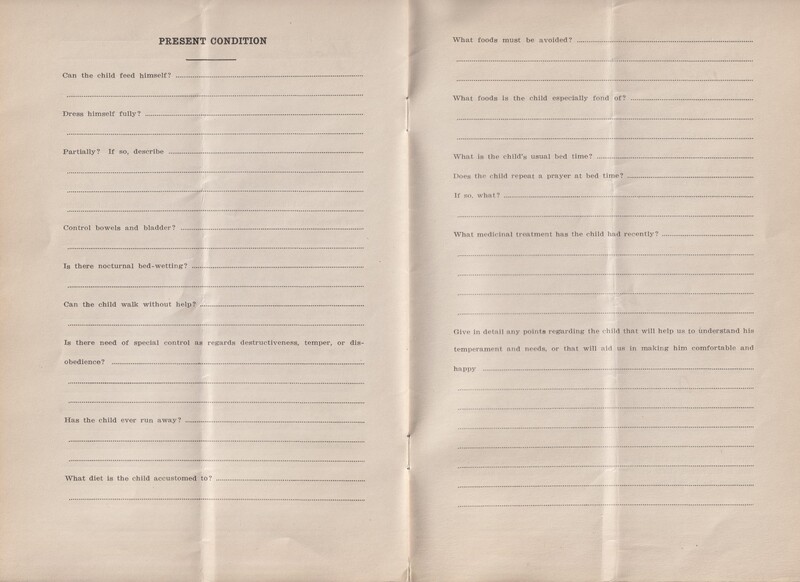
The information about the students themselves can be useful for those who wish to do genealogical research or investigate local history about Haddonfield or the greater South Jersey area, but the questions the paperwork asks can be equally interesting for those who are researching disability, childhood studies, medical history, or education.
<- Back to the history of the collection